Castle Peak avalanche deaths: Eight backcountry skiers killed, one missing in Lake Tahoe-area tragedy
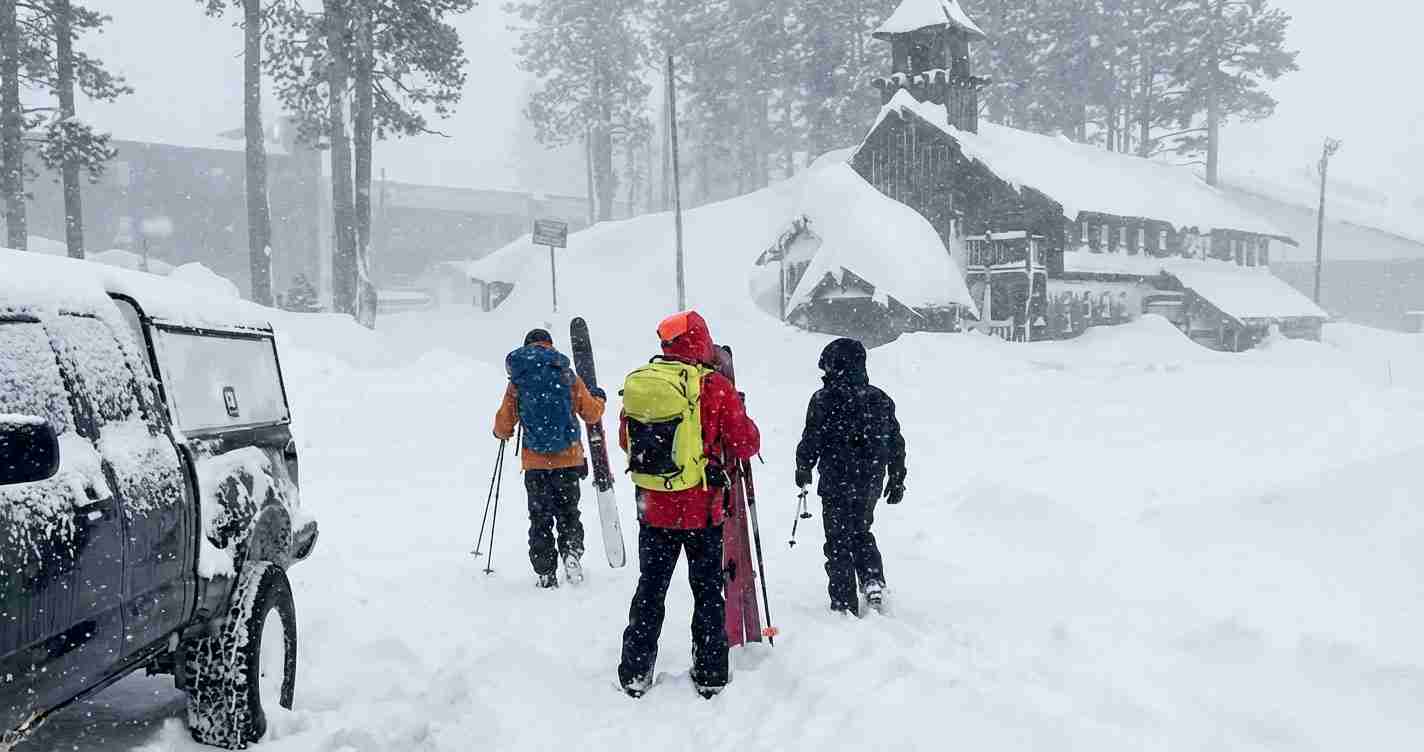
Eight backcountry skiers were confirmed dead and one unaccounted for after a massive avalanche struck near Castle Peak, northwest of Lake Tahoe, on February 17, 2026, during a guided hut trip amid extreme winter conditions.
Key takeaways
- Casualties: Eight confirmed dead, one unaccounted for and presumed dead; six survivors rescued after the avalanche.
- Group: 15 people—11 participants and 4 guides from Blackbird Mountain Guides—on a three-day hut trip.
- Warnings: The Sierra Avalanche Center issued a watch then upgraded to a warning hours before the slide; investigators will examine whether guides received updates.
- Response: After about six hours of rescue efforts, operations shifted to recovery because of ongoing storms and unsafe conditions.
What happened
Investigators and rescue officials say the party was skiing out of the backcountry on Tuesday morning when a football-field-sized avalanche swept over them around 11:30 a.m. Someone reportedly yelled “Avalanche!” but the slide overtook the group almost immediately, leaving little time to react, Nevada County Sheriff’s Capt. Russell “Rusty” Greene said.
Rescue and recovery
Six people survived and were rescued about six hours after the avalanche struck. They included four men and two women, ages roughly 30 to 55. Weather and active avalanche conditions hampered early access, and responders shifted from search-and-rescue to recovery when continuing life-saving operations became too dangerous (MyNews4).
“Crews worked in hazardous conditions with beacons, probes and dogs where possible; ultimately safety concerns forced a change to recovery operations,” officials said.
Victims and community response
Officials and families identified six of the dead and described the group as close friends and experienced backcountry skiers who carried avalanche gear. The six named victims include Carrie Atkin; Liz Clabaugh, 52, of Boise, Idaho; Danielle Keatley; Kate Morse; Caroline Sekar, 45, of San Francisco; and Kate Vitt, a Bay Area mother of two and former Sirius XM executive. Families have asked for privacy as they grieve (MyNews4).
Several victims had ties to the Sugar Bowl Academy on Donner Summit; local communities from the Bay Area to Truckee expressed deep grief and recalled the victims as devoted parents, volunteers and outdoor lovers (Los Angeles Times).
Guides, training and safety protocols
Three of the four guides are presumed dead. Blackbird Mountain Guides confirmed that its guides were certified by the American Mountain Guides Association and had avalanche education training, including instruction from the American Institute for Avalanche Research and Education. The company said guides maintained field communications with base staff during parts of the trip; Blackbird’s founder Zeb Blais called it the saddest event in the company’s history and urged the public to avoid speculation (Los Angeles Times).
Investigators will review whether safety checks, decision-making processes, route choices, forecast access and how equipment/emergency plans were executed met industry standards.
Avalanche warnings and timeline
The Sierra Avalanche Center issued a watch at 6:49 a.m. on Sunday indicating large avalanches were likely in 24–48 hours, and hours before the Tuesday slide it raised the notice to a warning. Investigators will examine whether guides received or had access to the updated forecast and how that information was communicated before the group began its ski-out.
Experts note that watch/warning levels are only part of the hazard picture; localized weather, wind loading, recent snowfall and weak layers in the snowpack can change hazard rapidly. Backcountry travelers are urged to check multiple sources, carry and practice with rescue gear, and make conservative choices when conditions are elevated.
Search, rescue and recovery operations
Local search-and-rescue teams, Nevada County Search and Rescue, Tahoe Nordic volunteers and other regional responders entered dangerous terrain where safe. Teams used transceivers, probes and dogs; as conditions worsened and risk remained high, crews stepped back to prioritize the safety of rescuers and shifted to recovery. Families publicly thanked rescuers and requested privacy (MyNews4).
How this ranks in California avalanche history
This incident is being called the deadliest avalanche in California in modern history. Officials say the scale of loss — involving experienced adults and certified guides — is rare and devastating, and it has renewed attention on avalanche safety across the Sierra and other backcountry areas.
Key questions investigators are trying to answer
- Did guides and participants have timely access to the Sierra Avalanche Center‘s warnings and forecasts?
- Were route choices and group management consistent with industry best practices given the forecast?
- How did communication between field guides and base staff affect decisions?
- Will this prompt changes in certification, company policies or public guidance about guided hut trips during high-risk periods?
Implications for the Imperial Valley, California
Economic: Though far south of the Sierra, the tragedy may affect winter tourism demand, bookings and the operations of tour and shuttle services that serve Southern California travelers.
Political and policy: Lawmakers and agencies that serve travelers from the Imperial Valley may face questions about avalanche public messaging and funding for mountain rescue teams.
Social and cultural: Many Imperial Valley residents have ties to Bay Area and Tahoe communities; the loss has prompted local vigils, outreach and renewed interest in avalanche education for families who travel to the mountains.
Practical advice: Check the Sierra Avalanche Center and local forecasts before traveling; hire guides who demonstrate transparent safety protocols; carry and practice with transceivers, probes and shovels; and be prepared to cancel or alter plans if watches or warnings are posted (Los Angeles Times).
Sources and reporting notes
This article draws on reporting from Times Media Service and reporting published by MyNews4 and the Los Angeles Times. Key on-scene information came from Nevada County Sheriff’s Office statements and family statements released through news outlets. Investigations by local authorities and avalanche specialists are ongoing; officials have asked the public and media to avoid speculation while weather data, communication records and eyewitness reports are collected.
For further details, see reporting by MyNews4 and the Los Angeles Times.