Swalwell, Christine Fang and the limits of old allegations: What’s verified and what isn’t as claims resurface in California politics
Recent renewed attention to Representative Eric Swalwell and suspected Chinese operative Christine Fang mixes established reporting from 2011–2015 with unverified claims. This article separates verified facts from speculation and briefly summarizes public sources and implications.
- Verified reporting shows Christine Fang cultivated ties to some California politicians in the early 2010s and drew a U.S. counterintelligence inquiry.
- Swalwell’s response: he says he alerted the FBI, cooperated with agents and cut off contact; public records show no criminal charges or evidence Fang obtained classified materials from him.
- Recent political claims tying new document releases or a 2026 campaign intervention to this episode lack public-source confirmation.
- Readers should distinguish historical reporting from fresh, verified developments before treating resurfaced allegations as new evidence.
Background: who is Christine Fang and how she connected to California politicians
What reporting says: In 2020, Axios described what U.S. officials characterized as a campaign by a suspected Chinese Ministry of State Security operative, Christine Fang, who cultivated ties with rising American politicians through social events, fundraising bundling and internship offers.
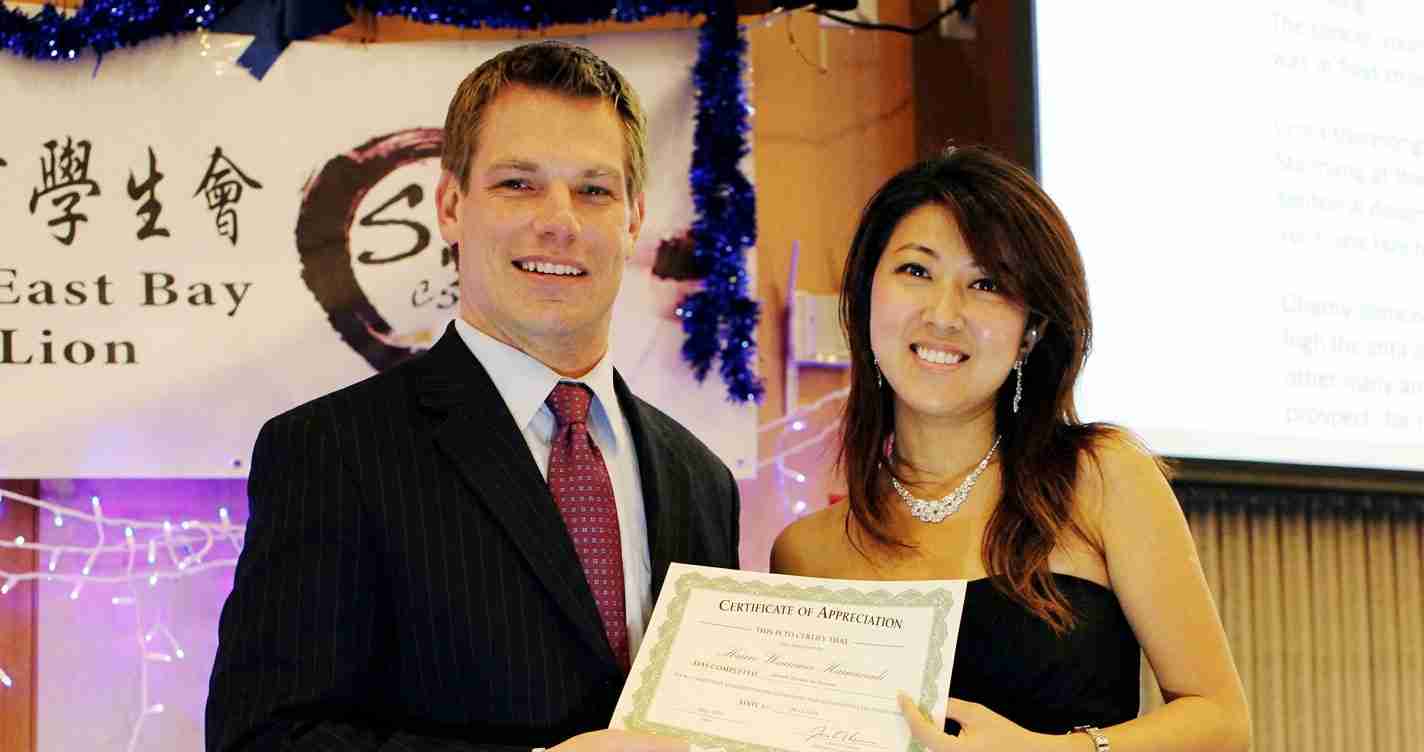
Records and contemporary coverage show Fang attended local events and had contacts with several politicians in the early 2010s. With Eric Swalwell — then a Dublin city council member and later a U.S. representative — reporting documented overlapping appearances, some donation bundling for his 2014 re-election and a recommended intern who worked briefly in his D.C. office. See Axios for detailed coverage.
“The core reporting about Christine Fang’s outreach and U.S. counterintelligence interest dates to 2011–2015 and was extensively covered in 2020.”
What the record shows about Swalwell’s dealings and the FBI
By about 2015, U.S. counterintelligence officials reportedly briefed Swalwell about Fang. Swalwell has publicly said he cut off contact and cooperated with the FBI. Public reporting does not show Swalwell was charged with wrongdoing, nor is there public evidence Fang obtained classified information from him. For the investigative reporting that compiled this timeline, see Axios.
Different outlets and commentators have characterized the episode in varied ways: some emphasize national-security concerns given Swalwell’s later committee assignments, while others and media watchdogs have criticized how the story was amplified or framed. Example commentary appears at AEI, and analysis of amplification and disinformation is available from Coda Story.
Investigations, briefings and public findings
Public reporting documents an FBI counterintelligence probe that included Fang and indicates Swalwell was briefed and cooperative. Importantly, reporting to date does not show he was removed from office or criminally charged. Analysts note that private intelligence reporting can be classified and incomplete for public review, which limits what can be independently verified from open sources. See reporting in Axios and coverage of media framing at Coda Story.
What recent claims get wrong or leave unverified
- Timing: The foundational reporting dates to 2011–2015 and was widely re-reported in 2020; it is not itself evidence of a new event.
- No public proof of a coordinated 2026 document release: Assertions that former President Donald Trump or Kash Patel are releasing documents about Fang to influence a California governor’s race are not supported by the public reporting available to this article.
- Other allegations: Claims of criminal referrals to Swalwell tied to mortgage or tax fraud related to a D.C. home purchase were not corroborated in mainstream reporting accessible for this piece; readers should seek primary documents or established outlets before accepting such claims.
In short, resurfaced narratives often fold old, documented interactions into fresh political frames without new evidence. That matters: historical reporting and newly verified developments are not the same.
Media context and the role of disinformation
The Swalwell–Fang episode has appeared across partisan lines. Some outlets stressed national-security implications; others highlighted limited demonstrated influence. Media watchers have flagged selective imagery, omitted context and amplification in partisan streams. See Coda Story for examples of how coverage was framed and sometimes distorted.
Why the verified history matters now
Verified essentials: a suspected foreign agent cultivated ties with local politicians; the FBI probed the matter; Swalwell says he cooperated and severed ties. Recycling this episode as a fresh scandal without confirming new evidence risks shaping campaigns and voter perceptions on the basis of old material rather than newly established facts.
Implications for The Imperial Valley, California
Although primarily national in scope, renewed attacks tied to this episode can have downstream effects on regional politics and civic life in the Imperial Valley.
Economic impact
Direct economic impact in the Imperial Valley is likely limited. The episode affects political reputations more than state or local budgets. Still, statewide campaign shifts can redirect attention and resources, indirectly influencing regional economies during election cycles.
Political consequences
Local voters should consider how much weight to give resurfaced national stories when evaluating state leadership. If statewide campaigns focus on national flashpoints, local policy debates on water, agriculture labor and cross-border trade may receive less scrutiny.
Social effects
The Imperial Valley’s immigrant and cross-border communities may feel heightened tension from stories about foreign influence. Community leaders and local newsrooms should help separate verified facts from rumor to reduce misperceptions.
Cultural relevance
Voters in the region prioritize practical governance on water delivery, crop markets and border relations; a statewide focus on political theater could frustrate residents seeking problem-solving leadership.
Practical applications for residents
- Ask campaigns for specific plans on local issues rather than relying on resurgent national headlines.
- Support local media and civic groups that provide clear explainers distinguishing verified facts from unproven claims.
Sources and further reading
- Axios: “How a suspected Chinese spy built ties to California politicians”
- AEI commentary: “The poetic justice in Eric Swalwell’s relationship with a Chinese spy”
- Fox News: example coverage of photos and ties
- Coda Story: analysis of disinformation and media framing
- Related video reporting and archival footage (example)
Note: This account aims to preserve reported facts and URLs while separating the verified history of the Eric Swalwell–Christine Fang connection from newer, unverified political claims. For updates on newly released documents or official investigations, consult primary reporting from established outlets and official statements from law enforcement or congressional offices.