Newsom Opens More Than 200 California State Parks Free on MLK Day After Trump Removes Holiday From National Park Fee Waiver
Governor Gavin Newsom announced free vehicle day‑use entry at more than 200 California state parks on Martin Luther King Jr. Day, Jan. 20, 2026, after the Trump administration removed MLK Day from the federal fee‑free calendar. This preserves statewide outdoor access.
- Governor Newsom press release announces free vehicle day‑use at 200+ parks on Jan. 20, 2026.
- California State Parks MLK Day page details that the waiver covers one passenger vehicle (up to nine people) or one highway‑licensed motorcycle.
- California State Parks Foundation funding underwrites the waived fees; state general funds are not used.
Background: What changed at the federal level
In late 2025 the National Park Service revised its 2026 fee‑free calendar, removing long‑standing dates including Martin Luther King Jr. Day, Juneteenth and National Public Lands Day, and adding dates such as Flag Day, Constitution Day, the NPS 110th anniversary and Theodore Roosevelt’s birthday. The change sparked immediate criticism from civil rights groups and some state leaders who argued the removals amount to erasing parts of the nation’s history, while supporters said the new dates emphasize other milestones. (Fox LA, Fox News)
Newsom’s response and message
On Jan. 16, 2026, Gov. Gavin Newsom announced California would waive vehicle day‑use fees at more than 200 state parks on MLK Day. In his statement he framed the action as a defense of public access and a rebuke of what he described as an attempt to “erase” Dr. King’s legacy.
“While the Trump administration tries to erase his legacy and turn national parks and monuments into places of exclusion and fear, California answers with light,” Newsom said, adding that Dr. King’s legacy deserves to be honored, not erased.
Newsom linked the move to broader cultural priorities, noting the approach comes ahead of the 100th anniversary of Black History Month and positions California to maintain access where the federal government stepped back. (Governor’s office)
How the California program will work
The waiver applies only to vehicle day‑use fees: one passenger vehicle (up to nine occupants) or one highway‑licensed motorcycle may enter participating state parks without paying the usual vehicle fee on Jan. 20, 2026. The full list of participating parks and operational details are posted by California State Parks.
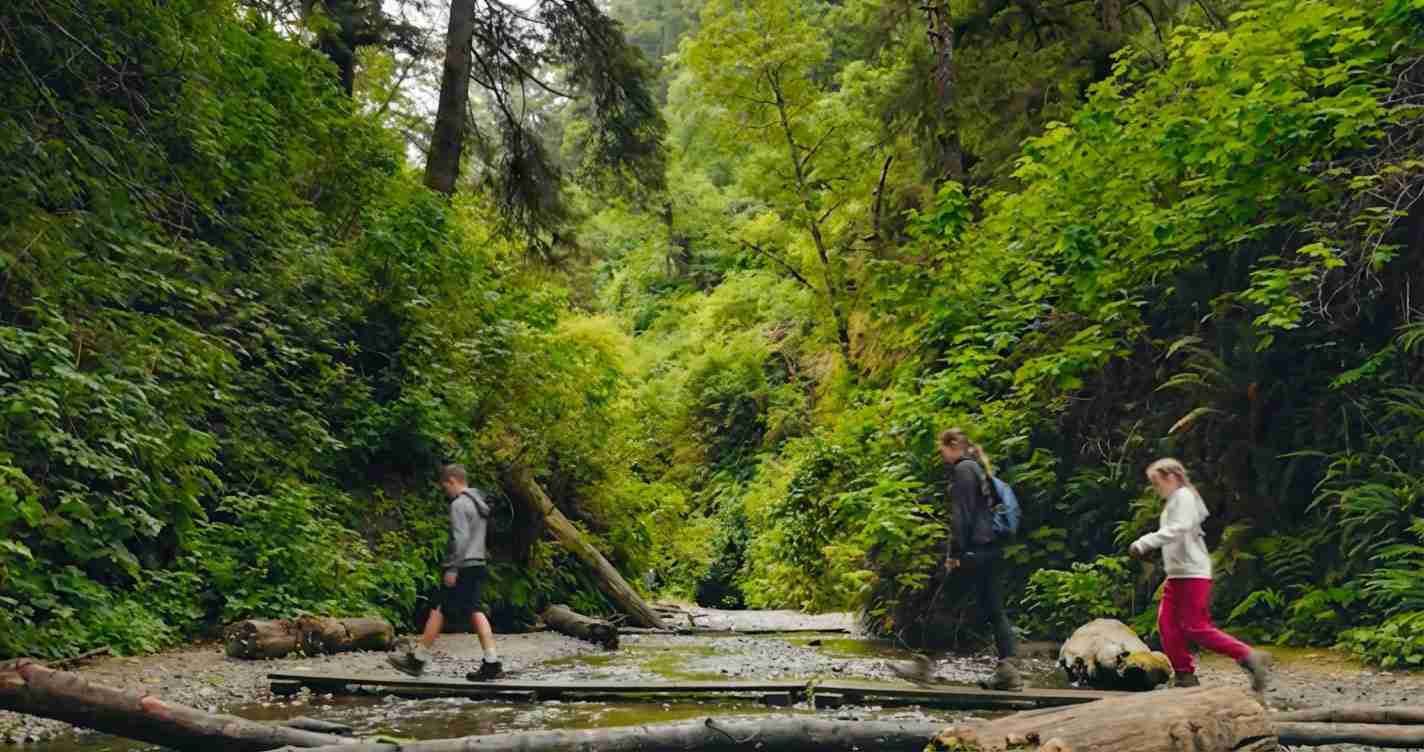
Participating sites span coastal reserves, redwood groves, historical parks and inland natural areas. Notable parks called out by local outlets include Big Basin Redwoods State Park, Point Lobos State Natural Reserve, Mount Tamalpais State Park and Jack London State Historic Park. In the Bay Area alone, more than 70 state parks are participating. (LocalNewsMatters, 10News San Diego)
Funding and who pays
The waived fees are underwritten by the California State Parks Foundation, a nonprofit that raises funds to support state parks, meaning the cost will not come from the state general fund. Foundation and park officials said the goal is to remove cost as a barrier to visiting public lands. (KTVU, California State Parks)
Limitations and exceptions
The free entry is narrowly defined: it covers vehicle day‑use fees only. Parks that charge per‑person fees (for example, Hearst Castle), state vehicular recreation areas, partner‑operated sites, and specialty programs or tours remain excluded. National park units such as Yosemite or Joshua Tree follow the National Park Service fee schedule and will not participate in California’s free day unless the federal schedule includes them. (California State Parks, Fox LA)
Why this matters: access, equity and politics
The swap in federal and state policy raises questions about who gets access to public lands and whether fee holidays are symbolic or materially expand use. Free vehicle day‑use reduces one cost barrier for families and carpool groups, but does not address transportation, time off work, accessibility needs or travel costs to distant parks.
Political context: The federal change — removing MLK Day and Juneteenth while adding dates like Flag Day (the President’s birthday) — drew strong political scrutiny. California’s action restores one removed fee‑free day at the state level and frames that restoration as preserving historical memory. Supporters of the federal change say new dates highlight other milestones; critics argue the swap narrows public acknowledgment of civil rights and emancipation. (Fox News, Fox LA)
Operationally, parks can expect heavy visitation on free days, straining parking, restrooms and staff. State parks and the foundation say they are coordinating preparations, but the real test will be capacity and crowd management on Jan. 20. (California State Parks)
Implications for The Imperial Valley, California
Economic impact: Imperial Valley residents who travel to nearby state parks could increase short‑term local spending on gas, groceries and dining, though the benefit depends on families’ ability to afford travel and time off work. (California State Parks, 10News San Diego)
Political consequences: Newsom’s move positions state leadership opposite the federal decision; local leaders in Imperial Valley may use the announcement to highlight state support for access and tourism.
Social and cultural effects: The free day can encourage family outings, community programming and local commemorations tied to Dr. King’s legacy, though transportation and distance remain barriers. Local organizations could organize shuttles or group trips to increase participation. (KTVU)
Practical applications for residents
Residents are advised to check the California State Parks MLK Day page for participating locations and rules before traveling. Be aware that per‑person fees, partner‑operated sites and national park units are excluded. Plan ahead to avoid long lines, full parking lots and unexpected charges.