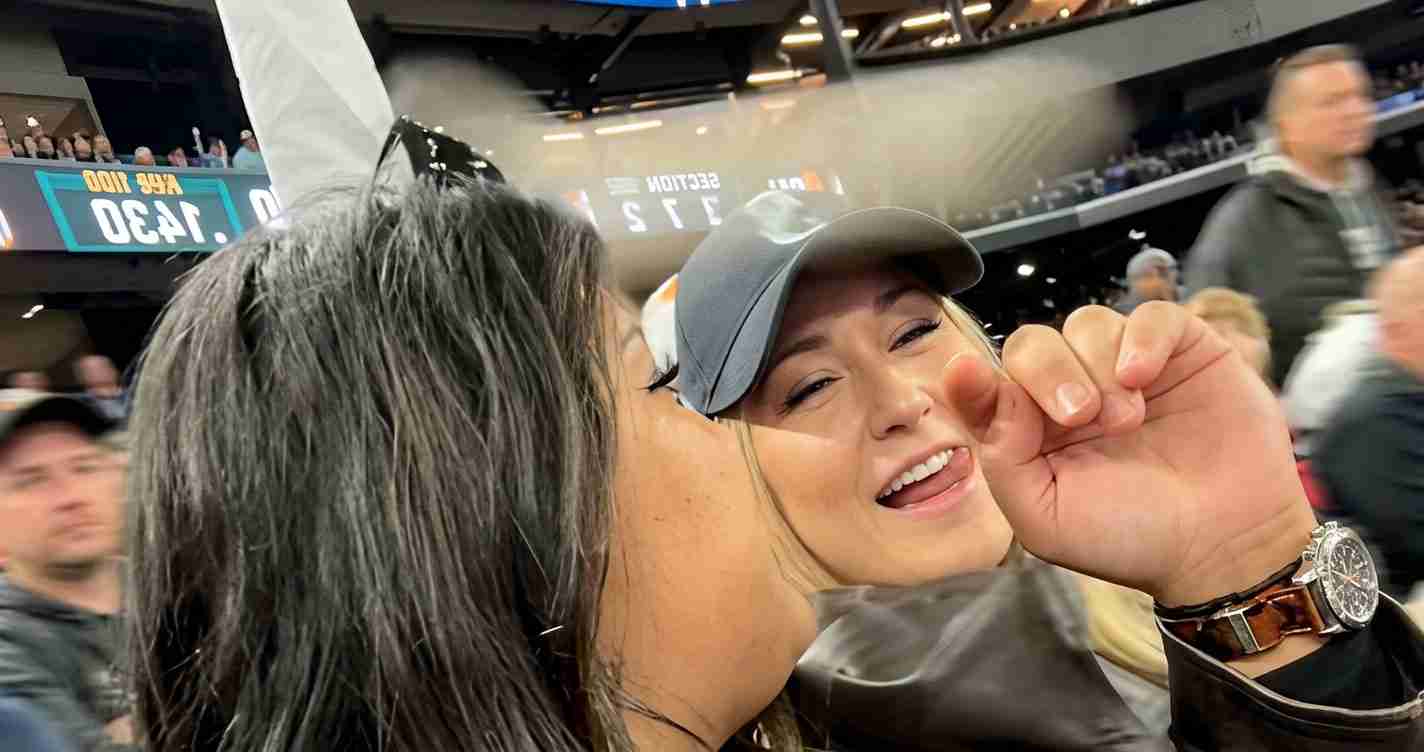
Fan struck on head by foul ball at Mariners game in viral video, reigniting debate over MLB fan safety
At T-Mobile Park in Seattle, fan Jamie Golla was struck on the top of the head by a fifth-inning foul ball during Friday’s Mariners-Padres game, a viral clip that has reignited debate over MLB spectator safety and expanded protective netting.
Key takeaways
- Who: Jamie Golla, seated in the lower bowl along the third-base side at T-Mobile Park.
- What: Struck on the head by a foul ball hit by San Diego Padres batter Sung-mun Song in the fifth inning.
- Aftermath: Treated at Harborview Medical Center, reported swelling and minor headaches but said she was “doing okay.”
- Why it matters: The incident renews questions about the sufficiency of expanded netting and the legal protections under the longstanding “Baseball Rule.”
What happened
A close-up selfie video taken by a friend captured the moment a screaming foul ball sailed into the stands and struck Jamie Golla on the top of her head almost immediately after contact. The clip — shared widely on social media — makes clear how little time spectators have to react when a line drive reaches lower-bowl seating.
Witnesses and the footage describe the ball arriving with frightening speed and force, underscoring how fast batted balls can enter spectator areas. Reporting notes that Golla was taken to Harborview Medical Center for evaluation and later described swelling and short-term headaches while saying she was “doing okay.” The incident drew significant social-media attention and messages from people checking on her, per New York Post.
Team response and immediate follow-up
Mariners staff reportedly followed up to check on Golla, offering her and her friends complimentary tickets to return for a future game. Such outreach aligns with typical team responses when spectator injuries attract public attention.
On the scoreboard: The Mariners were shut out by the Padres, 2-0, that night — but public reaction focused less on the final score than on spectator safety and stadium protections.
Why this matters: the risk of foul-ball injuries
Foul balls and broken-bat fragments are long-known hazards for baseball spectators. Line-drive foul balls can reach seats at extremely high speed and often come with little or no warning. Industry reporting has estimated thousands of spectator injuries from batted balls each year; a Bloomberg analysis cited roughly 1,750 fan injuries annually tied to foul balls in the United States (Bloomberg).
The legal backdrop — the so-called “Baseball Rule” — generally limits team liability when protected seating behind home plate is provided and fans are warned of inherent risks. Critics argue that the doctrine leaves many spectators without clear avenues for compensation and that it fails to reflect higher batted-ball exit velocities in the modern game.
MLB response and expanded netting
In recent years, Major League Baseball and many clubs have extended protective netting beyond the traditional area behind home plate to shield more fans from high-velocity foul balls and shards from broken bats. MLB and teams have cited a need to balance fan sightlines with increased safety measures (MLB).
Despite expanded netting, gaps remain, particularly down the baselines where foul balls commonly travel into seating. Safety advocates argue that fans in shallow lower-bowl rows continue to face real danger — a point underscored by the Jamie Golla incident.
Medical response and typical injuries
Stadium medical teams are trained to evaluate blunt-head trauma and other injuries sustained by spectators. In Golla’s case, evaluation occurred at Harborview Medical Center, a major trauma and neurology center in Seattle. Reports described swelling and short-term headaches — symptoms that can accompany concussive impact — but no immediately life-threatening injuries were reported.
Medical guidance: Anyone struck in the head by a baseball should seek care if they experience loss of consciousness, repeated vomiting, worsening headaches, confusion, dizziness, or other neurologic symptoms. Stadium first-aid teams can manage many injuries on site; serious cases are transported to nearby hospitals.
Legal and safety debate
The Golla incident has reignited debate over whether MLB and clubs should adopt broader safety measures. Advocates call for extending netting further down baselines and increasing fan education; opponents cite potential impacts on sightlines and tradition. Legal scholars note the persistent influence of the Baseball Rule, which can limit liability and shift the onus to fans to choose safer seating options.
Critics of the status quo point out fairness issues: late-ticket buyers, low-cost seats, and families with limited choices may remain disproportionately exposed to risk.
Sources and reporting
This report draws on multiple published accounts and institutional information, including:
- New York Post’s coverage of the Jamie Golla incident.
- Bloomberg reporting and data on fan injuries related to foul balls.
- Seattle Mariners team information and typical outreach practices.
- MLB official statements and league-level safety discussions.
- Harborview Medical Center / UW Medicine information on trauma and neurology care.
Implications for the Imperial Valley, California
Economic impact: Residents from the Imperial Valley often travel to San Diego for games and events. High-profile incidents can influence decisions about attending games, especially for families with young children, which may affect hotels, restaurants and travel-related businesses.
Political consequences: The episode may prompt local leaders and consumer advocates to press for stronger safety measures at nearby venues such as Petco Park in San Diego, even though the Baseball Rule is a nationwide legal doctrine.
Social and cultural effects: Families that view live baseball as affordable entertainment may feel heightened anxiety. Local conversations will likely reflect the tension between preserving unobstructed views and prioritizing protective measures for spectators.
Practical applications for Imperial Valley residents
- Buy protected seating: Choose seats behind extended netting or farther from the infield; many parks now advertise family sections with added protection.
- Keep eyes on the game: During at-bats, avoid distractions and remain attentive — Rule No. 1 at any MLB ballpark.
- Plan travel: Arrive early to secure safer seats rather than relying on last-minute, high-risk rows.
- Advocate locally: Contact team customer-service departments or elected officials to encourage expanded netting and clearer signage about risks.
Reporting and further coverage
This story will monitor updates from Jamie Golla, the Mariners organization and Major League Baseball for follow-up medical information, team statements, and any policy changes related to spectator safety. For further reading on foul ball injury data and MLB safety efforts, see Bloomberg and MLB.