Energy Secretary invokes Defense Production Act to order Santa Ynez oil restart, drawing sharp rebuke from Gavin Newsom
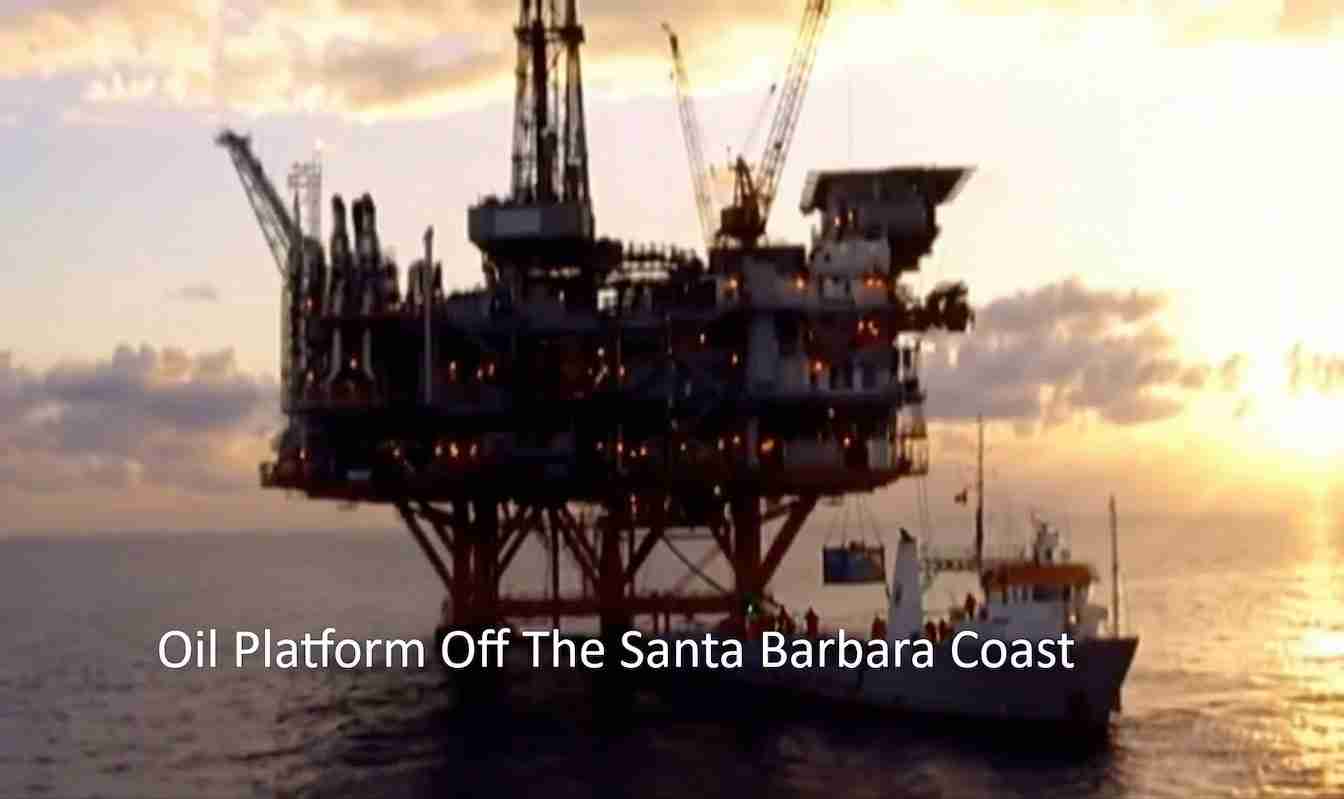
U.S. Energy Secretary Chris Wright has ordered Texas-based Sable Offshore Corp. to restore the Santa Ynez unit off Southern California under the Defense Production Act, citing national security and West Coast energy supply risks; California officials vow legal fights.
Key takeaways
- Secretary Wright invoked the Defense Production Act to direct Sable Offshore to restart the Santa Ynez unit and pipelines.
- The Las Flores Canyon Processing Facility could produce roughly 50,000 barrels per day, about 1.5 million barrels monthly if fully restored.
- Gov. Gavin Newsom and AG Rob Bonta promise legal challenges, citing court orders, state regulation and criminal probes.
- The dispute underscores tensions between federal emergency energy authority and California’s environmental and regulatory oversight.
Main content
Order details
On March 14, 2026, Energy Secretary Chris Wright issued an order using presidentially delegated authority under the Defense Production Act directing Sable Offshore Corp. to restore operations at the Santa Ynez unit — including three rigs in federal waters, offshore and onshore pipelines, and the Las Flores Canyon Processing Facility. (National Today)
Officials cite the facility’s potential capacity — about 50,000 barrels per day — as a core rationale, noting that, if restored, it could offset nearly 1.5 million barrels of foreign crude per month. (National Today)
“This action will strengthen America’s oil supply and restore a pipeline system vital to our national security and defense, ensuring that West Coast military installations have the reliable energy critical to military readiness,” Secretary Wright said in the department statement. (Politico)
Federal rationale
The Department of Energy framed the directive as an emergency measure to shore up U.S. oil supplies amid global market strains and disruptions that, officials argue, could threaten military readiness on the West Coast. The order relies on authority delegated by President Donald Trump after the administration reversed previous offshore drilling restrictions. (Politico; National Today)
Legal and political pushback from California
Gov. Gavin Newsom denounced the action as “an attempt to illegally restart a pipeline whose operators are facing criminal charges and prohibited by multiple court orders from restarting,” and said California would return to court. (National Today; The Independent)
Attorney General Rob Bonta argued federal authority does not override California’s regulatory oversight of onshore pipelines that connect offshore platforms to processing and refining facilities. California has an active lawsuit (filed January 2026) and officials say Sable remains subject to criminal investigations related to the 2015 spill. (National Today)
How Sable sought federal help
Sable Offshore appealed to the Trump administration’s National Energy Dominance Council to pursue federal permits that the company argued could allow it to bypass state regulators and proceed despite state prohibitions and court orders. (Politico)
Broader energy context and market pressures
The order comes as global oil markets remain sensitive to supply shocks — including tensions around the Strait of Hormuz — prompting releases from strategic reserves. U.S. officials have released crude from the Strategic Petroleum Reserve as part of international efforts to stabilize markets and have indicated plans to refill via exchanges when prices permit. (NewsOnAir; YouTube)
The Energy Department described reserve releases as short-term measures while emphasizing long-term efforts to secure reliable domestic supplies, citing military readiness and energy security as drivers of the Santa Ynez directive. (Politico)
Court orders, criminal investigations and environmental concerns
Environmental and state officials warn the restart could contravene existing court orders and overlook unresolved safety and environmental issues from the 2015 spill. Leaders warn that restarting a damaged pipeline system risks coastal communities and the state’s estimated $51 billion coastal economy, and that federal intervention could set a precedent for federal overreach. (National Today; The Independent)
Implications for The Imperial Valley
Economic impact
- Fuel supply and prices: The Imperial Valley relies on diesel and gasoline for farms, trucks and commerce; a restored Santa Ynez output could ease regional supply pressures and lower prices if operations proceed without legal delay. (National Today)
- Agriculture: Lower regional fuel costs could modestly reduce operating expenses for irrigation pumps and harvest equipment, but timing is uncertain given court challenges.
Political consequences
- State vs. federal tensions: The directive is likely to sharpen debate in Imperial County between advocates of state oversight and those prioritizing short-term energy costs. (Politico)
- Voter messaging: Regional campaigns may use the dispute to highlight energy security or environmental protection stances.
Social effects
- Community division: Residents may split between environmental risk concerns and the desire for stable fuel prices for businesses and farms.
- Cross-border trade: Changes in West Coast fuel markets can affect trucked freight and cross-border commerce with Baja California.
Practical applications for residents
- Short-term: Farmers, fleet managers and fuel buyers should expect market uncertainty; local retailers may adjust prices as developments unfold. (National Today)
- Long-term: If federal actions succeed, the region could see steadier supplies, but persistent legal battles mean timing and scale of benefits remain unclear.
What to watch next
- Court filings: California officials have pledged to return to court — watch for emergency filings and hearing dates tied to lawsuits filed in January 2026. (National Today)
- Agency steps: The Department of Energy and other agencies may publish implementation details under the Defense Production Act; those steps will affect restart timing. (Politico)
- Market moves: Monitor Strategic Petroleum Reserve exchanges and disruptions tied to the Strait of Hormuz for near-term price signals. (NewsOnAir; YouTube)
Source links
- National Today
- Politico
- The Independent
- NewsOnAir (on Strategic Petroleum Reserve releases)
- YouTube (Department remarks / related coverage)
- YouTube (related coverage)
- Fox News clip on reserve releases and context
Reporting by Times Media Service.