Trump Officials Say California’s Imported Oil Is a National Security Threat, Push to Restart Sable Oil Project
Trump administration officials, including Energy Secretary Chris Wright, say California’s dependence on imported oil creates vulnerabilities for military installations and national defense, and they have invoked the Defense Production Act to restart the Sable offshore complex.
Key takeaways
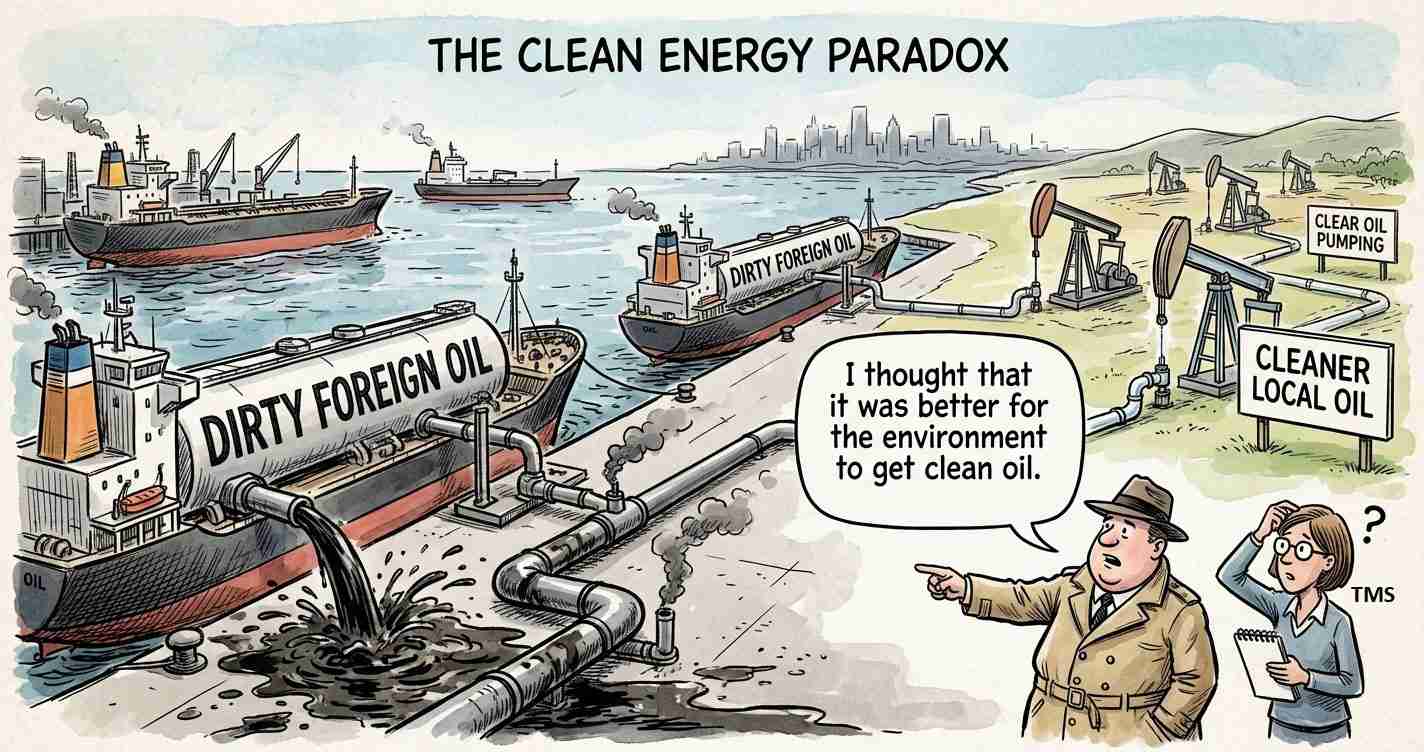
- Import reliance: The Department of Energy reports that more than 60% of the crude oil refined in California is imported from other countries.
- Military concern: Energy Secretary Chris Wright and Interior Secretary Doug Burgum say roughly 30 military installations in California face fuel-security risks tied to that import dependence.
- DPA action: The administration has used the Defense Production Act to order steps to restart a key offshore pipeline and wells connected to Sable.
- State pushback: California officials call the federal move illegal and damaging to the coast and climate goals.
Main content
What the administration is saying
Energy Secretary Chris Wright and Interior Secretary Doug Burgum have framed California’s oil mix as a national security problem. Wright noted the state hosts roughly 30 military facilities and said the state gets over 60% of its oil imported from overseas, linking that reliance to potential risks for military fuel supplies.
The Department of Energy and administration officials have warned much imported crude transits strategic chokepoints — notably the Strait of Hormuz — which they say increases vulnerability to supply disruptions.
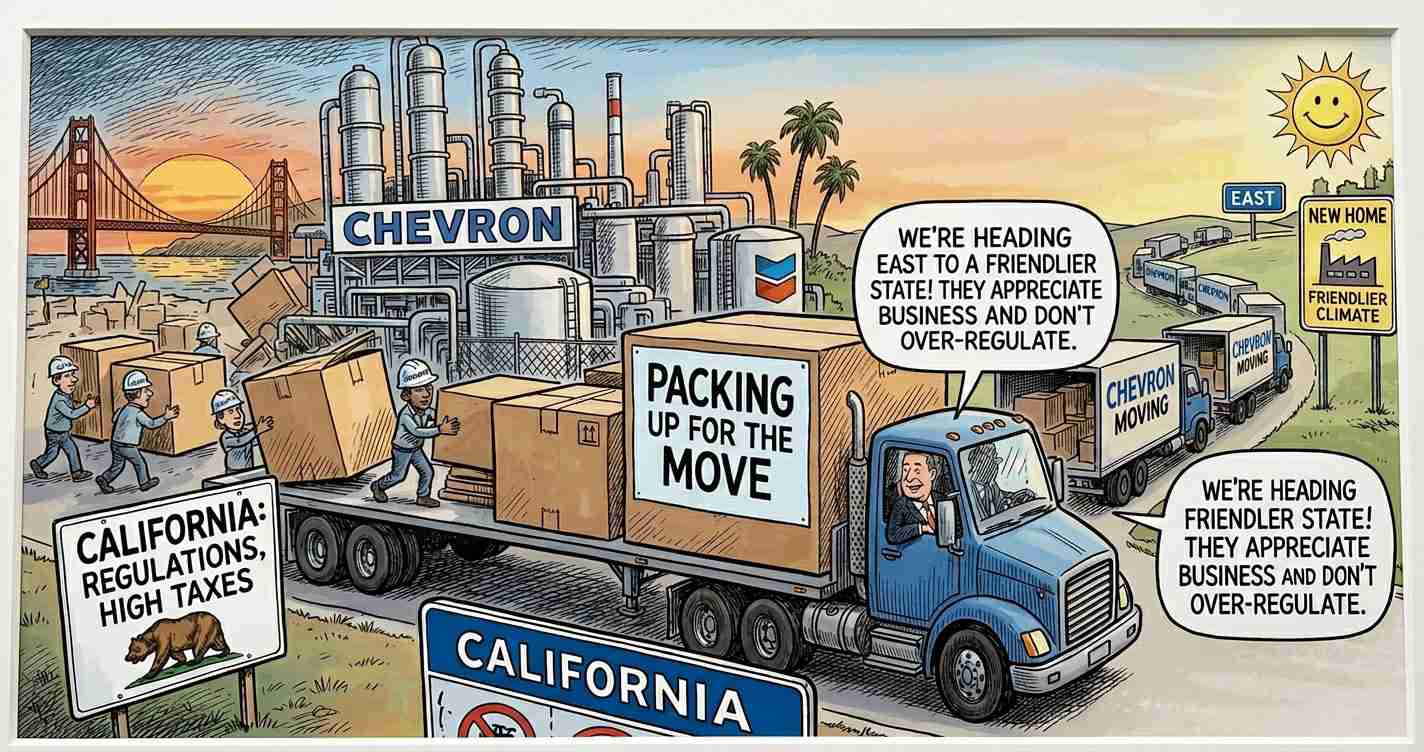
Burgum has been blunt in public comments, blaming state rules for shrinking refinery capacity and saying that reduced domestic processing has pushed California toward greater foreign reliance and higher costs. He has also tied reliable domestic fuels to broader economic goals such as manufacturing and electricity stability (commentary).
How the Sable Oil Project and the DPA fit in
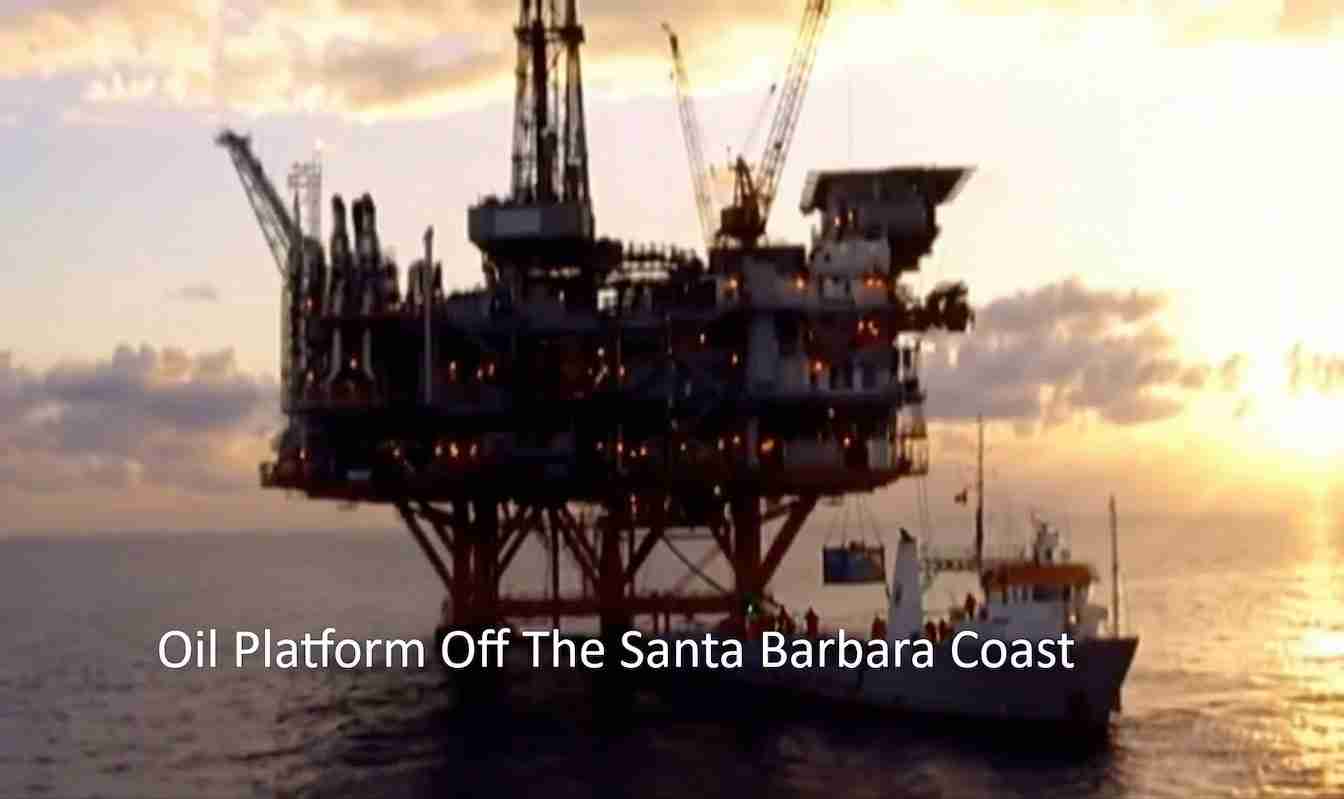
The administration has moved beyond rhetoric. Officials invoked the Defense Production Act to order actions aimed at restarting oil flows tied to the Sable offshore infrastructure near Santa Barbara, a complex of rigs, pipelines and a processing facility idled after a 2015 spill.
The Department of Energy says restarting these assets will add domestic barrels to California’s supply and “strengthen America’s oil supply and restore a pipeline system vital to our national security and defense,” a claim also described in E&E News.
California’s position and environmental concerns
State leaders and environmental groups strongly reject the federal move. Gov. Gavin Newsom called the DPA action illegal and vowed to fight it in court, arguing the administration is exploiting international instability to roll back coastal protections.
“They’ve California turned themselves into an energy desert, an energy island,” said Burgum in a public comment cited by reporters.
California officials point to the 2015 spill that fouled beaches and wildlife as evidence of the risks of renewed offshore operations, and they emphasize the state’s long-term plan to cut greenhouse gases, boost efficiency and expand renewables (Governor’s statement).
Declining production, shrinking refinery capacity
California is one of the nation’s biggest energy users, but in-state oil production has fallen for decades while refinery capacity has declined as facilities close or scale back. Administration officials argue these trends increased dependence on imports and cite state regulations as a factor (coverage; commentary).
How much would restarting Sable help?
Experts say Sable and similar projects could add meaningful local barrels but would not erase California’s broader import reliance. California refineries process hundreds of thousands of barrels per day; Sable is significant locally but is only one piece of a larger supply picture (reporting).
The administration argues even modest domestic increases reduce tanker traffic through vulnerable chokepoints and provide nearer-term sources for military bases, but market realities and California’s transition to electric vehicles and low-carbon fuels limit long-term effects (DOE fact sheet).
Legal and political fight ahead
The Defense Production Act is a broad federal authority; California officials argue using it to override state environmental protections is unlawful. The dispute is expected to be litigated and debated widely, raising questions about federal power, energy policy and coastal protection (E&E News; Governor’s statement).
Implications for The Imperial Valley, California
Economic impact
- Fuel prices: More local crude and additional refinery runs could modestly lower regional fuel prices, but global markets and shipping risks will continue to drive volatility (DOE analysis).
- Jobs and industry: Restarting offshore production could create some jobs in oil services and shipping, but the Imperial Valley economy is more tied to agriculture and cross-border trade; any hiring would likely center on ports and refineries farther up the coast (reporting).
Political consequences
- Federal vs. state tension: Local residents may view the fight as another example of federal actions clashing with California priorities, shaping voter attitudes on federal power and coastal protection (Governor’s statement).
- Military readiness angle: Although the Valley does not host most cited bases, many families have ties to the military, so arguments about fuel security may resonate locally (coverage).
Social effects
Residents who prioritize clean air and healthy farmland may worry that federal pushes for more oil production will slow California’s clean-energy transition. Coastal spill risks remain a flashpoint even for inland communities that benefit from tourism and fisheries (E&E News; Governor’s statement).
Cultural relevance
The Imperial Valley values land stewardship and water security. Debates over offshore drilling can feel distant, but they connect to broader concerns about protecting natural resources and maintaining healthy environments for families and farms.
Practical applications for residents
- Fuel planning: Expect ongoing volatility in gas prices tied to global events and local policy fights; short-term price drops from more local oil are possible but not guaranteed (DOE guidance).
- Jobs and training: New oil work would be specialized and concentrated near coastal infrastructure; local workforce programs should balance short-term oil training with long-term development in agriculture, clean energy and logistics.
Reporting and sources
This article draws on public statements and reporting from federal agencies, news outlets and California sources. Key sources include:
- DOE fact sheet
- E&E News coverage of the DPA action
- Fox Business coverage and interviews
- VibeTrader commentary
- Governor Newsom statement
- CalMatters reporting
- Related background video
Note: All factual claims in this piece are drawn from the sources listed above and direct public statements from federal and state officials.