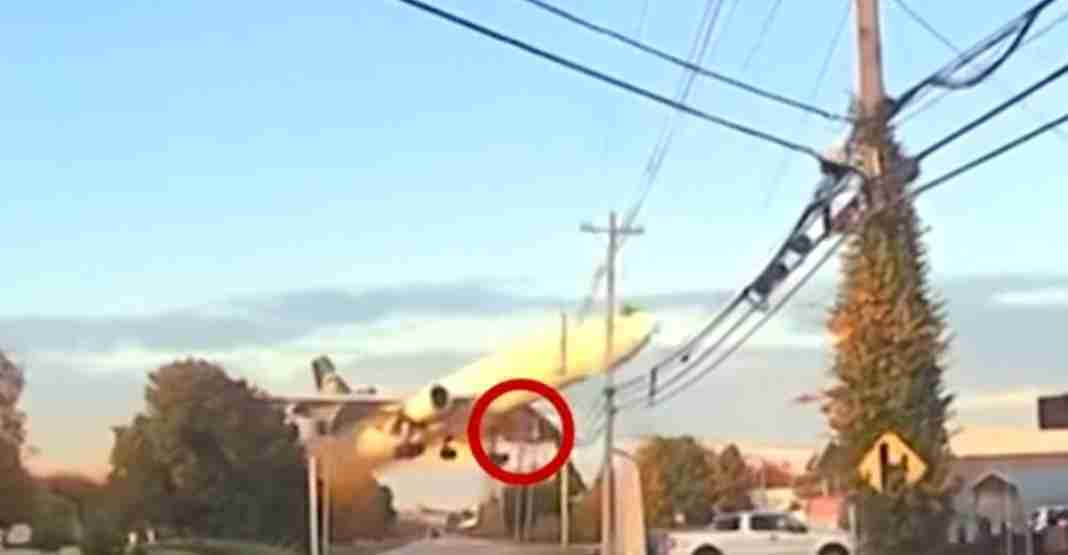
Engine Detaches, Plane Explodes on Takeoff at Muhammad Ali International Airport; NTSB Probes Repeating Alarm in Cockpit
A UPS cargo plane suffered a catastrophic left-engine failure and detachment during takeoff from Louisville’s Muhammad Ali International Airport, crashing into an industrial area and igniting a massive fuel-fed explosion that killed at least 13 people, officials said.
Key takeaways
- Catastrophic engine detachment: Investigators report the left engine caught fire and separated seconds after liftoff.
- Human toll: At least 13 confirmed dead, including all three crew members; several people remain missing.
- Cockpit audio: The NTSB released audio with a repeating warning bell that sounded for roughly 25 seconds as crews fought to control the jet.
- Fuel amplified explosion: A very large jet-fuel load reportedly expanded the fireball and blast damage to nearby industrial sites.
What happened during takeoff
According to investigators and early reporting, the cargo jet departed the runway Tuesday evening and climbed away from Muhammad Ali International Airport when crew and witnesses observed fire erupt from the left engine. Within moments, officials say the engine separated from the wing. The aircraft then impacted an industrial area near the airport and erupted into a massive fireball visible for miles.
Initial reports indicate the airplane carried an unusually heavy load of jet fuel, which likely intensified the explosion and ensuing inferno. The crash occurred close to warehouses and large industrial facilities — including the UPS Worldport hub and nearby automotive assembly lines — complicating rescue and recovery operations and increasing risks for workers on the ground. Early reporting and scene details are documented in the WSWS report, “UPS cargo plane crash”.
Cockpit audio and the 25-second warning
The National Transportation Safety Board has released cockpit audio excerpts as part of its early review. The audio contains alarms and crew communications while pilots worked to diagnose and control the situation. Investigators say a repeating bell sounded in the cockpit for approximately 25 seconds as the crew attempted emergency procedures and attempted to stabilize the aircraft before impact.
“A repeating warning bell is audible for roughly 25 seconds while pilots respond to the failure,” NTSB audio excerpts show.
The NTSB audio and accompanying commentary are available from the agency; the board’s posted materials are referenced as NTSB audio video.
Casualties, missing people and the human toll
Local and national reports list at least 13 confirmed fatalities, including all three crew members named in early reports: Captain Richard Wartenberg, First Officer Lee Truitt, and International Relief Officer Captain Dana Diamond. Several additional people in the industrial area were killed or injured, and others remain unaccounted for as responders search through damaged buildings and wreckage.
Emergency crews faced extreme conditions: repeated explosions, intense heat and heavy smoke complicated firefighting and recovery efforts. Hospitals received patients with burns and blast injuries, and authorities established perimeter controls while working to identify victims and support families.
Scale of the explosion and fuel load
Reporters and investigators noted the unusually large explosion. Early reporting indicated the airplane carried approximately 200,000 pounds of jet fuel destined for Hawaii, a load that would greatly magnify the size of the fire and blast on impact. Officials said the proximity of the crash to densely staffed warehouses and industrial operations increased the likelihood of ground casualties and structural damage. The WSWS scene report provides additional context: WSWS report, “UPS cargo plane crash”.
Ongoing NTSB investigation
The National Transportation Safety Board has opened a formal federal investigation. Investigators are recovering wreckage, examining wing and engine attachments, and analyzing the flight data recorder and cockpit voice recorder. The board is also reviewing the crew’s training history, aircraft and engine maintenance records, and any communications with air traffic control.
NTSB officials caution that determining probable cause will take time. Key focuses include the reported engine fire, the unusual detachment of the engine from the wing, and the sequence of systems warnings — notably the repeating bell captured on the cockpit voice recorder and released in the NTSB audio release: NTSB audio video.
Questions and safety concerns being examined
Investigators will examine multiple potential causes, including:
- Mechanical failure in the engine
- Possible maintenance lapses or inspection issues
- Structural problems in the engine-to-wing attachment
- Whether an engine-nacelle fire damaged flight controls or fuel lines
- Crew decision-making and response timing as captured on the cockpit voice recorder
Regulators and safety experts will likely review inspection records and company maintenance practices for similar aircraft. The crash also raises questions about how heavy fuel loads and departure routings over industrial corridors are managed at busy cargo hubs.
Local response and recovery efforts
Local officials declared an emergency and mobilized multiple agencies to secure the crash site and begin recovery. Fire departments, hazardous-material teams and federal investigators coordinated to contain fires and recover remains and wreckage. Nearby factories and warehouses were evacuated or temporarily closed while structural assessments were completed.
Authorities set up family assistance centers, hotlines and chaplain services to help victims’ families and support responders. Community groups organized to offer on-site assistance to workers displaced by the blast.
Context: a busy logistics hub and proximity concerns
Louisville hosts one of the world’s largest air cargo hubs, concentrating workers and heavy freight operations near the airport. That proximity speeds logistics but places many people and structures close to flight paths. Safety advocates may question whether industrial zoning, buffer zones and emergency planning around runways are adequate for high-capacity cargo operations that depart with large fuel loads.
The NTSB investigation will be central to determining whether regulatory or infrastructure changes are needed to reduce risk in these corridors. Early scene reporting can be found in the WSWS report, “UPS cargo plane crash”.
Implications for The Imperial Valley, California
Economic impact: The Imperial Valley relies on integrated supply chains. Disruptions to cargo carriers or new safety restrictions could slow shipments, raise costs and affect farm-to-market timing for perishable goods.
Political and social effects: Local leaders may debate trade-offs between operational efficiency and safety if the NTSB’s findings prompt regulatory changes. Workers in warehousing and logistics could see operational shifts that affect hours and employment.
Practical applications: Emergency planners, employers and community organizations in the Imperial Valley should review contingency plans, continuity agreements with carriers, and coordinate exercises for industrial-scale incident response.
Ongoing coverage and what to watch for
The NTSB will publish factual reports and safety recommendations as investigators analyze recorders and wreckage. Regulators may issue airworthiness directives if a specific mechanical fault is identified. Local officials and companies will update communities on cargo-flow impacts and any mitigation measures.
For now, recovery operations continue at the crash site and the full cause of the Louisville UPS plane crash remains under review. Key evidence — including the cockpit voice recorder with the 25-second warning bell — will be central to understanding the chain of failures that led to this tragic loss of life. Primary source materials include the WSWS report, “UPS cargo plane crash” and the NTSB audio video.