California red-legged frog makes a comeback in Yosemite — 10,000th frog released after decade of invasive bullfrog removal and habitat restoration
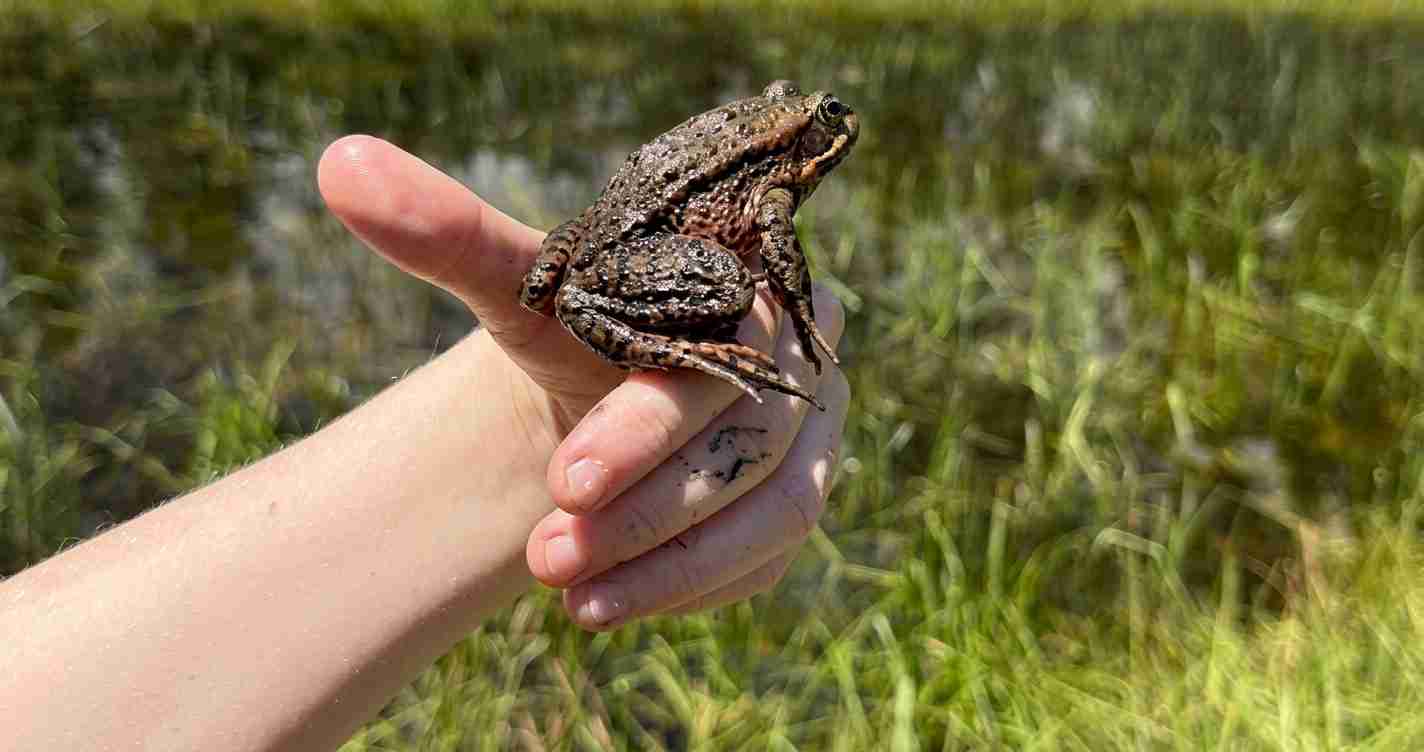
Yosemite National Park and partners released the 10,000th California red-legged frog, “Twain,” on May 7, 2026, marking a decade of bullfrog removal, habitat restoration and captive-rearing that reestablished self-sustaining populations in Yosemite Valley again.
Key takeaways
- Milestone: The program released its 10,000th individual — nicknamed Twain — on May 7, 2026, near Yosemite Falls.
- Threats removed: Sustained eradication of invasive American bullfrogs and reduced raccoon predation after historic refuse closures created space for recovery.
- Approach: Coordinated bullfrog removal, Merced River Plan habitat work and captive rearing at a San Francisco facility powered the comeback.
- Outcome: Multiple wild generations now reproduce in Yosemite Valley, indicating a self-sustaining population resilient to droughts and floods.
Main story
How the frogs disappeared
The California red-legged frog (Rana draytonii), a federally threatened species and California’s state amphibian, once inhabited Yosemite Valley but disappeared decades ago. The primary driver was the introduction and spread of invasive American bullfrogs, which eat and outcompete native frogs. Elevated raccoon numbers — sustained for years by open refuse sites that existed until the 1970s — further reduced eggs and tadpoles. By 2016, park biologists reported no red-legged frogs remained in the valley.
“After invasive bullfrogs eliminated red-legged frogs from the area decades ago, we removed those threats and created conditions for recovery,” said Rob Grasso, aquatic ecologist at Yosemite National Park. “Today, multiple generations of frogs are established in Yosemite Valley.”
How recovery was achieved
The recovery reflects a decade-long, multiagency program with three linked pillars. Each pillar addressed a specific barrier to survival and reproduction:
Bullfrog removal
Yosemite staff conducted targeted, long-term eradication of invasive American bullfrogs from ponds and waterways where red-legged frogs once lived. Removing this predator and competitor was the first and necessary step to create safe spaces for the native frogs to return.
Habitat restoration
Work tied to the Merced River Plan restored wetlands, streambanks and river channels that provide breeding and feeding habitat. Grants administered by the California Department of Fish and Wildlife and donor support from the Yosemite Conservancy funded research and on‑the‑ground restoration projects.
Captive rearing and staged release
A rearing facility opened in San Francisco in 2016 through a partnership between the National Park Service and the San Francisco Zoo & Gardens. Staff collect eggs from the wild and raise frogs to one- and two-year-old juveniles in controlled conditions, then release them into carefully chosen sites where bullfrogs have been removed and habitat restored. Methods were developed in collaboration with UC Santa Barbara and the San Francisco Zoo.
“When the program began in 2016, no California red-legged frogs remained in Yosemite Valley. Today, every frog in the valley traces back to this effort,” said Dr. Rochelle Stiles, director of field conservation at the San Francisco Zoo & Gardens.
Releases, numbers and resilience
On May 7, 2026, the program achieved a symbolic and scientific milestone. Approximately 830 juvenile frogs were released that day and the program is holding roughly 600 eggs raised for future releases. The 10,000th released frog — nicknamed Twain — was raised at the San Francisco facility and released near Yosemite Falls with partners and staff in attendance.
Park biologists report the newly established population has endured drought, severe winters and flooding, and is now reproducing in the wild. Multiple generations are present in the valley, which signals self-sustaining recovery rather than reliance on continuous releases.
Partners, funding and public support
Federal, state and non-profit partners provided expertise and funding: the U.S. Fish & Wildlife Service provided oversight and collaboration; the California Department of Fish and Wildlife administered voter-backed grants used for habitat work; the San Francisco Zoo & Gardens ran captive rearing; and the Yosemite Conservancy funded research and restoration. This multiagency approach combined invasive-species control, habitat engineering and amphibian husbandry.
“Our partners have been essential to the recovery of the California red-legged frog. We appreciate the progress made over the past decade and remain committed to this collaborative effort,” said Kim Turner, acting field supervisor for the Sacramento Fish and Wildlife Office.
Why the frog matters
The California red-legged frog is more than a conservation symbol. It is a key component of wetland food webs — consuming insects and serving as prey for native predators. Healthy frog populations are indicators of functioning wetlands, improved water filtration and overall ecosystem health. Yosemite officials point to the frog’s return as a measure of broader ecosystem recovery and as a tested model for amphibian restoration elsewhere.
Implications for The Imperial Valley
Although the Imperial Valley differs ecologically from Yosemite, the program offers transferable lessons:
- Practical restoration techniques: Merced River Plan work demonstrates streambank repair and pond restoration approaches adaptable to agricultural drains and engineered wetlands in the Imperial Valley.
- Invasive species control model: Sustained, targeted eradication of invasive bullfrogs shows how long-term removal and monitoring can protect native amphibians.
- Funding pathways: Grants administered by the California Department of Fish and Wildlife and donor partnerships illustrate funding models local groups can pursue.
- Research and captive rearing: The San Francisco rearing facility provides a template for zoo–university partnerships to raise and release rare local species.
- Community benefits: Restored wetlands can promote birdwatching, nature-based tourism and education while improving water quality and resilience.
Coverage and public engagement
Local and national media covered the May 7 release. ABC30 described the milestone as “meaningful” and a second chance for the species, and NBC News ran a video profile of the San Francisco Zoo’s captive breeding program. Yosemite hosted a public “Stewardship Series” event to explain the frog’s comeback and encourage visitors and volunteers to support habitat protection.
Event note
On May 7, 2026, speakers gathered near Yosemite Falls to mark the release of the program’s 10,000th frog and to release several zoo‑reared juveniles, including Twain. Monitoring, future releases and ongoing habitat stewardship continue across Yosemite Valley.
Contacts and further reading
- California Department of Fish and Wildlife
- National Park Service, Yosemite
- Yosemite Conservancy
- San Francisco Zoo & Gardens
- U.S. Fish & Wildlife Service
- ABC30 coverage
- NBC News video (YouTube)
Sources: California Department of Fish and Wildlife, National Park Service, ABC30, San Francisco Zoo & Gardens, Yosemite Conservancy, U.S. Fish & Wildlife Service, NBC News video coverage.