Newsom: “Cruelty Is the Policy” — Governor Blasts GOP as SNAP Benefits Face Cutoff; California Joins Lawsuit to Keep Food Aid Flowing
California Gov. Gavin Newsom blasted Republican leaders, saying ‘cruelty is the policy,’ after warnings that SNAP benefits could be suspended after Nov. 1, 2025, and announced the state joined legal action to keep food aid flowing.
- Newsom publicly condemned Republican leaders over a looming suspension of SNAP benefits that could begin after Nov. 1, 2025, calling the policy a moral failure.
- California joined other states in filing a lawsuit against the U.S. Department of Agriculture and the federal government to prevent the halt of SNAP payments during the shutdown.
- Officials warned the cutoff would put millions of low-income people at risk of hunger, forcing states and charities to scramble for emergency food aid.
What Newsom said and why it drew attention
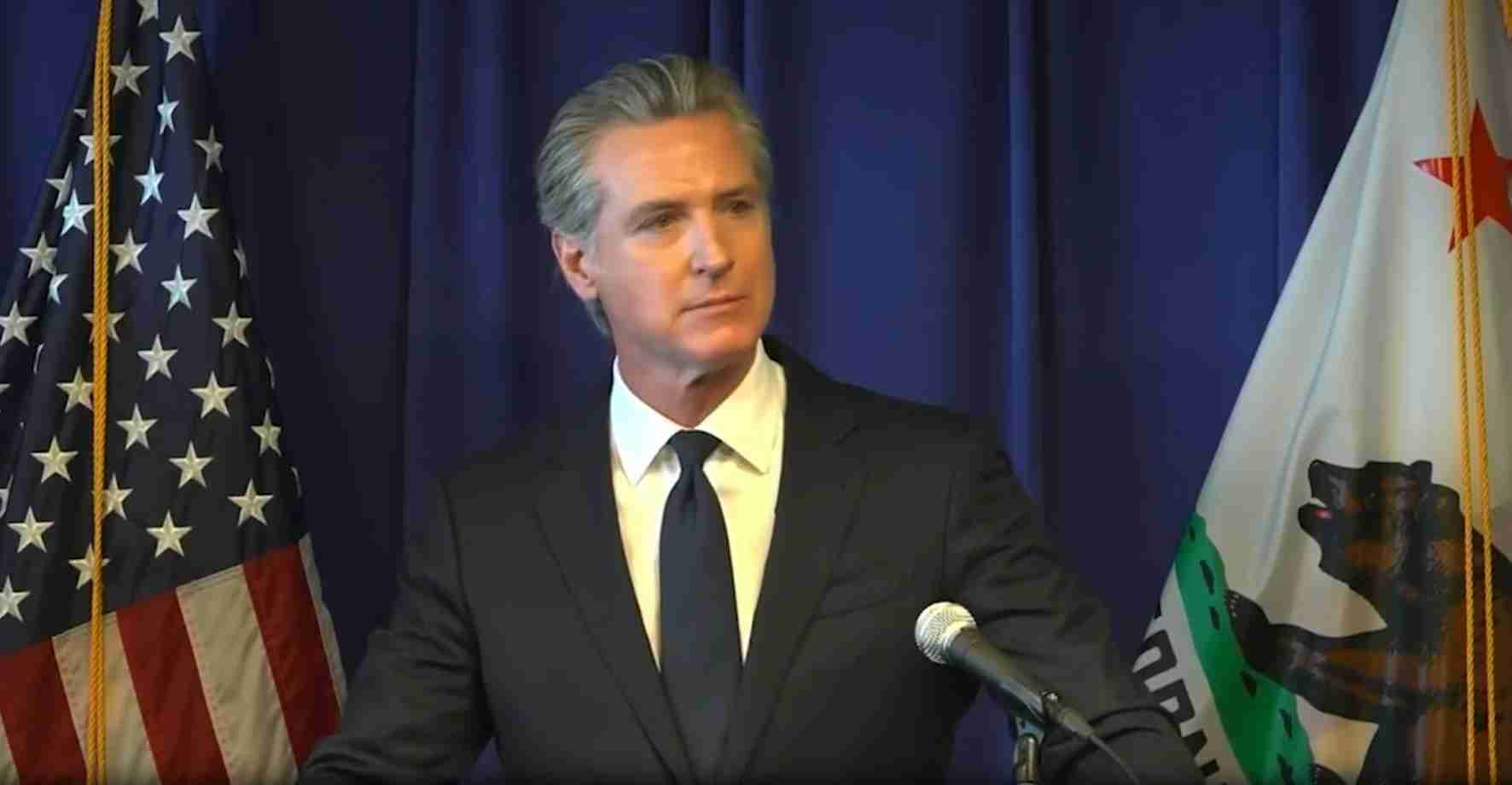
At a public event, Gov. Gavin Newsom framed the budget fight in moral and religious terms, calling the prospect of stopping SNAP benefits during a shutdown not only bad policy but a moral failing. In his remarks he invoked scripture and declared:
“Cruelty is the policy.”
Newsom emphasized the human consequences: children, seniors and people with disabilities would be directly harmed if benefits stop. By using scriptural language, he sought to broaden the appeal of his argument to faith communities and moderate voters who view feeding the hungry as a shared value. Video of the remarks is available from the governor’s appearance.
The legal fight: California government shutdown lawsuit
California and a group of Democratic-led states filed a legal challenge asking a court to order the U.S. Department of Agriculture (USDA) to continue issuing SNAP benefits while Congress and the White House remain deadlocked. The states argue that stopping payments would cause immediate and irreparable harm to people who depend on the program.
State officials say emergency judicial intervention is necessary because the Nov. 1 deadline threatens to leave families without food within weeks. The complaint seeks either court-mandated federal action to keep benefits flowing or to block any agency decision that would stop payments during the shutdown. See more in the states’ filings and related public remarks.
How SNAP works and what the cutoff would mean
SNAP provides monthly benefits to low-income households to buy food, delivered via electronic benefit transfer (EBT) cards similar to debit cards. When federal funding and administrative operations are interrupted by a shutdown, the USDA sometimes must make operational choices about issuing state-administered benefits.
Officials warned that a shutdown stretching past Nov. 1 could force the USDA to stop approving new payments, creating a gap in aid for millions. A suspension of SNAP benefits could push families to food banks, increase hunger among schoolchildren, and strain state and local safety-net services attempting to fill the gap.
Responses from federal and party leaders
Republican leaders defending spending limits framed their strategy as political negotiation, arguing budget talks can involve hard choices to extract concessions. Critics, led publicly by Newsom, say using a shutdown to cut benefits for vulnerable people is unacceptable and morally indefensible.
The USDA emphasized operational constraints and said it would follow law and guidance about benefit administration. The states’ lawsuit contends that federal law and the USDA’s authority permit — or require — the agency to take steps to prevent such harm. For public video and statements by the governor and state officials, see the governor’s remarks and related reporting.
Why states are turning to courts
When federal leaders fail to reach a spending agreement, states sometimes turn to litigation to preserve essential services and protect residents from immediate harm. Past shutdowns prompted similar legal actions over healthcare, education aid, and other services; the current lawsuit follows that precedent.
Advocates for low-income families, anti-hunger groups and some state officials argue litigation is the most realistic option to avert a sudden cut in benefits. They note federal tools — administrative funding flexibility, emergency authority, or temporary waivers — could keep benefits flowing even if Congress is stalled.
Who would be hurt most
SNAP serves a broad group: working families, seniors on fixed incomes, people with disabilities, and qualifying students. A sudden loss of benefits hits households with little savings hardest and increases reliance on food banks and community assistance.
Local food banks already report high demand; a federal aid shock would likely amplify wait times, strain volunteers, and lead to worse health outcomes and increased emergency-room visits among affected populations.
Implications for the Imperial Valley, California
Economic impact: The Imperial Valley has higher poverty and unemployment than many California regions. A SNAP disruption could reduce predictable consumer spending at local grocery stores and harm small businesses, farmers and food distributors who depend on SNAP-driven sales.
Political consequences: Many residents rely on federal assistance; Newsom’s moral framing — invoking scripture and labeling the policy “cruel” — may resonate across party lines, increasing pressure on representatives to seek fixes or support the state lawsuit.
Social effects: Schools, food banks and community groups could see heavier demand, longer pantry lines and stressed volunteers. Health partners warn that increased food insecurity can worsen health outcomes and raise stress-related problems among children and adults.
Cultural relevance & practical steps: Feeding neighbors is a core community value in the Valley. Newsom’s language may mobilize faith groups and nonprofits for emergency food drives. Residents relying on SNAP should check county human services updates and local food-bank resources; community members able to help are encouraged to volunteer or donate.
Sources and further reading
Reporting by Times Media Service for CNN. Video and statements cited in this article come from public remarks and state filings; see the governor’s remarks and related reporting here.
(Video source: public remarks and state filings cited above.)