Cruise door decorations spark row as lines tighten rules over magnets, banners and lights
Cruise lines are tightening rules on stateroom door decorations—banning some magnets, banners and lights—citing fire-safety, adhesive damage and theft concerns. The move challenges a popular cruising tradition and has sparked lively debate among passengers.
- Lines cite safety and damage risks: fire retardancy rules and adhesive damage are driving new enforcement.
- Theft and vandalism: custom magnets and kits have prompted reports of missing or meddled-with decorations.
- Expect uneven enforcement: rules are being restated in writing and applied differently ship to ship.
- Practical advice: use small, magnetic, inexpensive items and photograph displays to document loss.
What set off the latest debate
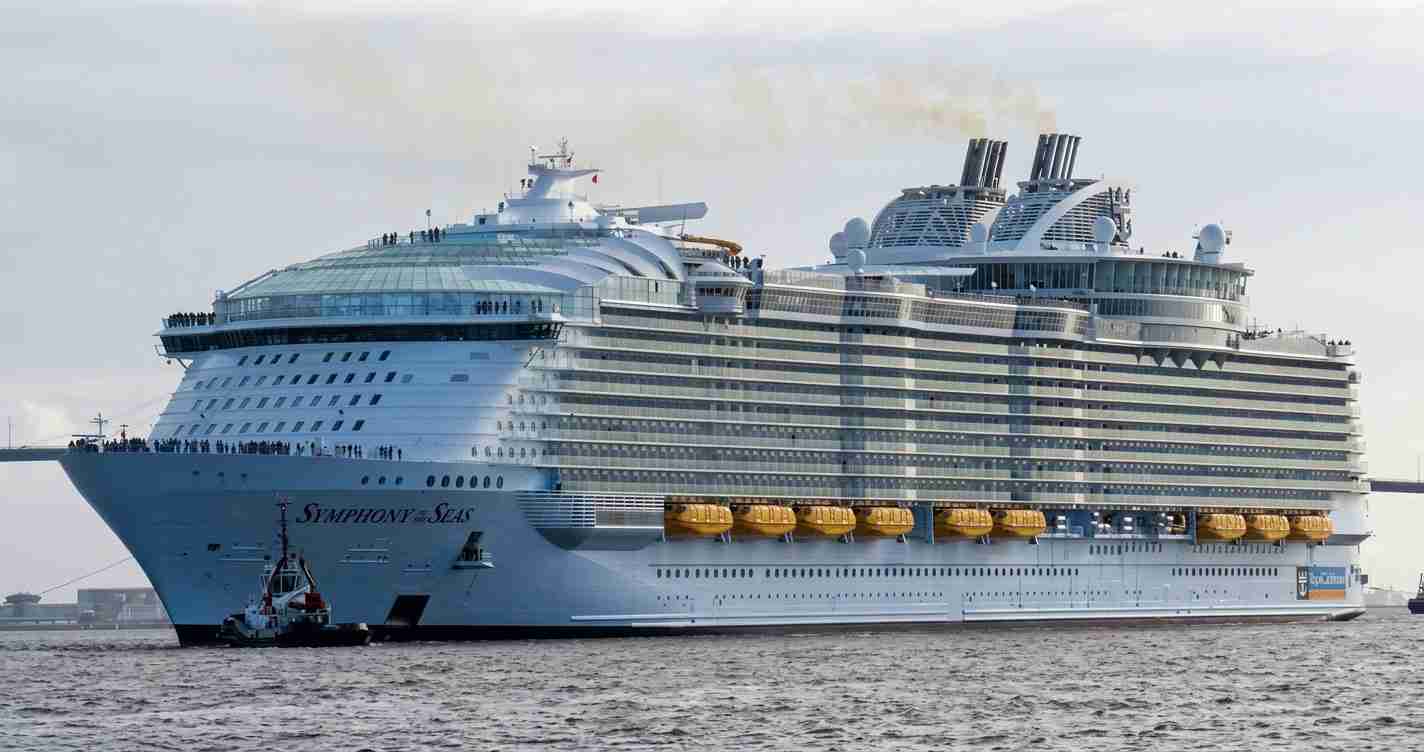
Royal Caribbean International circulated a notice on Symphony of the Seas reminding guests that “materials placed on stateroom doors and other interior surfaces must meet safety rules”. The written reminder — reported by Cruise Hive — highlighted that crew will remove items that violate policy and pushed a common, low‑risk practice into the spotlight.
Why passengers decorate
For many cruisers, door decorations are part ritual and part practicality. Families and fan groups buy custom magnets and kits to mark birthdays, anniversaries and first cruises. Sellers on platforms such as Etsy target specific ships and sailings.
Practically, long, uniform hallways make cabins hard to find; decorations act as visual cues for groups and distracted passengers. Online forums and Reddit threads show a split between those who value personalization and those who worry about theft or being out of step with rules.
Why cruise lines are cracking down
Operators point to three primary concerns that underpin stricter enforcement:
1) Cruise ship fire safety
International maritime fire‑safety standards require cabin doors and corridor finishes to resist fire and limit smoke spread for set intervals. Lines caution that paper, fabric, plastics or decorative electrical items can become additional fuel or emit toxic fumes. See guidance from major operators such as Carnival and Disney Cruise Line.
2) Damage from adhesives
Heavy tapes, superglue and some “damage‑free” strips can strip paint, scratch finishes or leave residue on metal doors, increasing repair costs and taking cabins out of service. Disney explicitly warns against tape and certain adhesives on stateroom doors.
3) Theft, vandalism and onboard disputes
Custom magnets and elaborate door kits have sparked reports of petty theft, pranks and vandalism. Coverage by Cruise Hive and forum threads on Royal Caribbean Blog document missing personalized magnets and incidents that required security reviews.
How different lines are handling door décor
- Royal Caribbean: Historically tolerant of magnets on metal doors but has reiterated rules in writing and increased spot checks; crew may remove noncompliant items. See reporting by Cruise Hive.
- Carnival: Allows limited decorating within constraints but requires fire‑retardant materials; string lights are commonly banned. See Carnival guidance.
- Disney Cruise Line: Warns against tape and adhesives and points guests to approved practices; themed events may include managed decorating options. See Disney’s prohibited items FAQ.
- Other lines: Princess, Norwegian and others vary; some ban decorations outright, others allow magnetic, non‑electrical items with differing enforcement by ship and crew.
Passenger reactions and tips
Online debate is split: proponents value personality and navigation help, opponents accept safety reasons or worry about theft. Many adopt a middle path: decorate sparingly, keep items inexpensive, and avoid potential hazards.
Common community tips:
- Use only magnetic or other non‑damaging attachments.
- Avoid string lights, open flames, or non‑fire‑retardant fabrics (see Carnival and Disney guidance).
- Make decorations inexpensive or easily replaceable and photograph your setup to document any loss.
- Consider larger, linked magnets that are harder to grab quickly.
Stateroom magnet theft — a closer look
Reports of missing magnets or altered displays are not universal but frequent enough to alarm passengers. Accounts collected and reported by Cruise Hive and forum threads on Royal Caribbean Blog include stories of magnets being stolen, relocated or used in pranks; some incidents have led to security camera reviews.
Where the debate may go next
Expect tighter written policies emphasizing fire safety, explicit rules on adhesives and clear authority for crew to remove non‑compliant items. Enforcement will likely remain uneven, but large ships with many first‑time cruisers may see more active policing — pushing the tradition toward small, magnetic, non‑electrical decorations that meet safety rules.
Implications for The Imperial Valley
Economic: Local travel agents and craft shops in El Centro and Brawley that serve cruisers may see demand shift to approved, magnetic products and advice on permitted items.
Political: The debate is unlikely to become a major political issue, but county consumer affairs offices could receive complaints about damage fees tied to adhesive use.
Social and cultural: Multi‑generational families and local cruise clubs may need to adapt traditions, using standardized, approved decorations to avoid disputes or penalties.
Practical advice for Valley travelers: pack a small magnetic set, photograph door displays, avoid adhesives and lights, and keep decorations inexpensive and replaceable.