UNITED STATES, June 13 (Infinite Headlines) — A Tourism Economics report under Oxford Economics projects that 1.24 million international visitors will come to the United States for the 2026 FIFA World Cup, a figure that helps explain a travel pattern already visible in firsthand accounts from fans: many visitors are treating the tournament as a broader trip through everyday American life, not just a series of soccer matches.
The evidence for that finding comes from two places. The first is the Oxford Economics/Tourism Economics projection, which estimates the scale of international travel tied to the tournament. The second is a set of named travelers’ own posts and interviews describing U.S. road stops, chain restaurants, grocery stores, public sights and small-town encounters.
The strongest numerical basis is the Tourism Economics report. It projected 1.24 million international visitors to the United States for the tournament. The same report said 742,000 of those visitors, or 60%, would be “additional” trips that otherwise would not have happened. It also said U.S. inbound tourism was expected to rebound 3.7% in 2026 after a 6.3% decline in international overnight travel in 2025, with nearly one-third of that growth linked to the World Cup.
That matters for local travel markets because the documented visitor interest is not limited to stadiums. Named travelers have described interest in American grocery stores, diners, gas stations, school buses, condiments and large food portions. Those accounts do not prove a measured economic spillover into small towns, because the supplied records do not include hotel occupancy data, airport counts, local tax receipts or transportation records. But they do show that some international fans are building U.S. culture and roadside stops into their World Cup trips.
The 2026 tournament is also larger than recent World Cups, according to national coverage citing the tournament format. NBC News reported that the United States is scheduled to host 78 of the tournament’s 104 matches across 11 U.S. cities. Fox News reported that U.S. host locations include Atlanta, Boston, Dallas, Houston, Kansas, Los Angeles, Miami, New York/New Jersey, Philadelphia, Seattle and the San Francisco Bay area. The supplied source material did not include an official FIFA host-city document, so those match and location details are attributed to national coverage rather than independent records reviewed here.
The travel pattern has roots in the way the World Cup has usually worked. Past men’s World Cups were commonly associated with one host country, while 2026 is being staged across North America and has been described in national coverage as expanded from 32 to 48 teams. That larger footprint gives international fans more reason to move between regions, use domestic transportation and stop in communities outside the largest gateway cities.
The traveler accounts provide the clearest window into what visitors are noticing.
Cumming, a traveler from Edinburgh interviewed by Newsweek, focused on food, scale and social openness. “The food here is extremely good. Generally, I believe the seasoning is much better than what you find in the U.K.,” Cumming said. He also said, “People here are very upbeat, enthusiastic, and quite open,” and added, “People seem more approachable here in the States. In the U.K., we can be a bit reserved at times.”
Cumming’s comments support one narrow conclusion: at least some visitors are judging the trip through ordinary travel experiences, including restaurants and social interactions, rather than only through the event schedule. They do not establish how many visitors share that view.
Elsa Thora, a Swedish traveler interviewed by NBC News and quoted from posts on X, described moments that were not tied to a match: seeing a U.S. school bus, trying ranch dressing and visiting Trader Joe’s after arriving in San Francisco. In one post quoted by NBC News, Thora said, “I feel like I’m in a movie.” In a video interview with NBC News, she said, “I think many in Sweden view the U.S. as the land of the free and a really impressive country,” and, “Being here feels surreal.”
German fan Freddy, who posts as @FreddyLA7, has also become part of the documented travel trail through his posts about Buc-ee’s and Waffle House. Fox News and NBC News both highlighted his posts as examples of fans finding novelty in American roadside and comfort-food culture. Yahoo Sports quoted him describing a Buc-ee’s visit by saying, “D, LO, is a gas station,” and later describing Waffle House as, “Our Waffle experience at 1: AM. Great food, great prices, and friendly staff.”
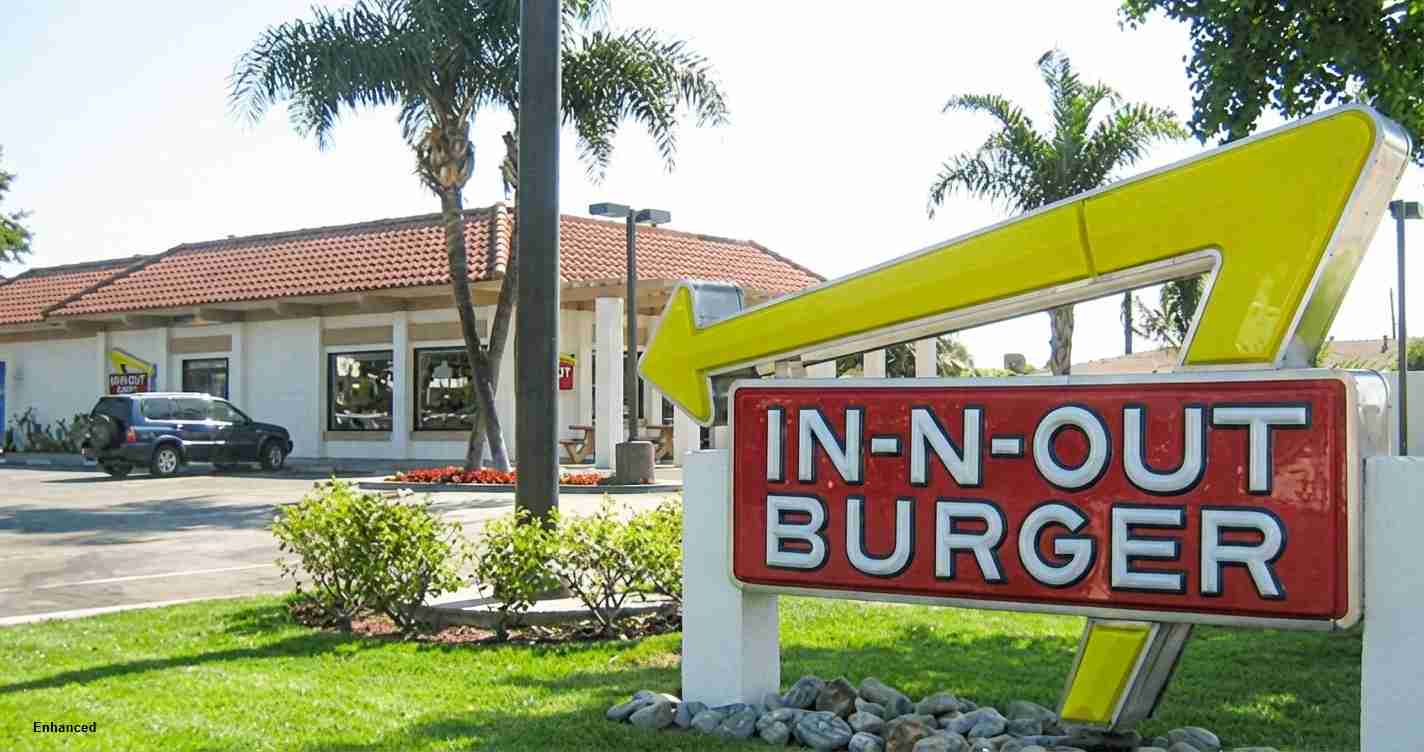
Those firsthand examples are consistent with a broader list of U.S. brands and food items that travelers have mentioned in public posts and interviews, including Buc-ee’s, Waffle House, Trader Joe’s, Taco Bell, IHOP, Starbucks Reserve Roastery, Walmart, 7/11, ranch dressing, Big Gulps, chicken and waffles and large portion sizes. The records reviewed for this story do not include statements from those companies, so their role is limited to places and products named by travelers.
The small-town hospitality claim is less firmly documented. Fox News quoted X user @realmikolson as saying visitors were being “dropped right in the middle of the heart of middle America.” The same user described anecdotes of restaurant owners driving fans to games and a deli owner giving British tourists free lunch. Those accounts are presented here only as attributed anecdotes because the supplied material does not include interviews with the business owners, travelers or local officials involved.
That distinction is important for local readers and local businesses. The Oxford Economics/Tourism Economics projection documents a large expected visitor flow. The traveler accounts document interest in everyday U.S. culture. But the available records do not yet quantify how much of that travel will reach small towns, roadside corridors or non-host communities.
The same gap applies to travel costs and logistics. Some traveler accounts discussed prices and transportation, but the supplied material does not include hotel rate data, airline booking data, airport throughput figures, ride-hailing fare records or host-city transportation plans. Without those records, it is not possible from this evidence alone to measure whether visitors are paying more, where they are staying, or how far they are traveling outside host markets.
What the record does show is more limited and more useful: the 2026 World Cup is expected by Tourism Economics/Oxford Economics to bring 1.24 million international visitors to the United States, and named travelers have already described the trip in terms of American food, retail, roads and local encounters. For the travel industry, that means the tournament’s documented visitor story is not only about match tickets and stadium cities; it is also about diners, gas stations, grocery aisles and the small stops that international fans are choosing to remember.