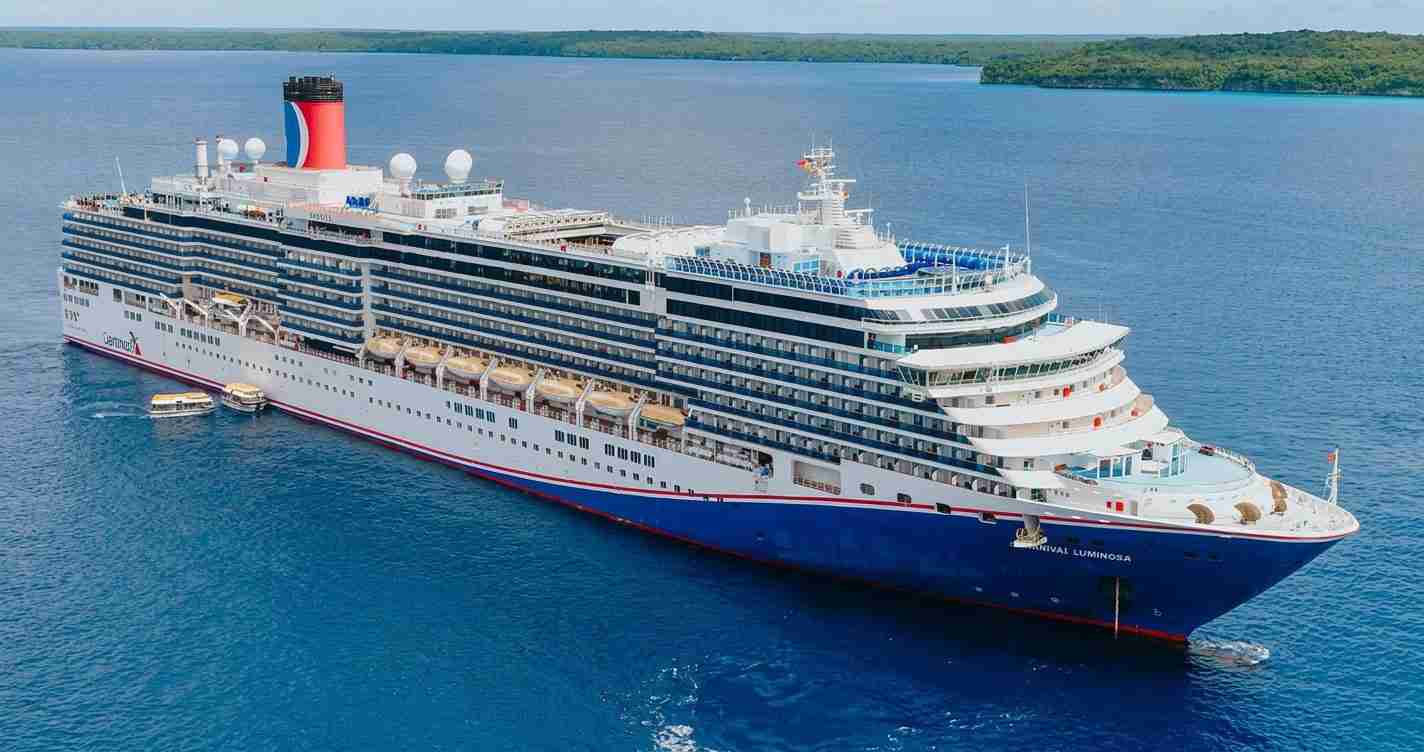
Carnival tightens rules for beachwear in Lifou — what passengers need to know about the Carnival Lifou swimwear policy
Carnival Cruise Line has reinforced stricter swimwear and clothing standards for guests visiting Lifou, New Caledonia, after a Carnival Splendor sailing; passengers must avoid G-strings, thongs, monokinis and topless sunbathing ashore, with noncompliance potentially jeopardizing future port calls.
Key takeaways
- Advance notice: Passengers aboard the Carnival Splendor received written guidance before the June 2 Lifou call, per reporting from Cruise Hive.
- What’s discouraged ashore: G‑strings, thong bikinis, monokinis, mankinis and topless sunbathing are discouraged or prohibited in public spaces.
- Destination-specific guidance: Carnival frames this as a Lifou community request and lists the island on its Carnival’s dress code page requesting one-piece or full-coverage swimsuits.
- Consequences: Persistent noncompliance could threaten the line’s ability to include Lifou on future itineraries.
Main content
What happened on Carnival Splendor and why Lifou
Written advisory: Guests on an eight-night sailing from Sydney were given a notice ahead of the Lifou stop reminding them that swimwear allowed onboard may not be appropriate ashore. The advisory, reported by Cruise Hive, asked passengers to avoid skimpy items such as G‑strings, thongs and revealing one-piece styles and made clear that topless sunbathing is prohibited in public spaces.
Destination respect: why the line is warning guests
Cruise lines depend on good relations with ports and local communities. Carnival’s notice links guest conduct to the company’s ability to keep Lifou on future schedules — a practical and diplomatic necessity, not merely etiquette. Repeated breaches of local norms can lead community leaders or port authorities to restrict or ban cruise visits.
Scope of the Lifou dress expectations
- Not allowed or discouraged ashore: G‑string and thong-style swimsuits, monokinis, mankinis, and topless sunbathing in public places.
- Requested instead: Traditional one-piece or full-coverage swimsuits at beaches; cover-ups, rash guards and conservative clothing in markets, churches and community areas.
How passengers reacted
Reactions on social platforms and forums were mixed. Some passengers argued that the ship feels like a private space and that revealing swimwear is common on deck: “wear what you want.” Others said behavior should adapt when guests step into host communities, especially around families and religious sites. The debate raises whether lines should tighten onboard enforcement or rely on pre-port advisories.
Industry context: not unique to Carnival
Carnival’s advisory follows a wider industry trend of pre-port notices addressing behavior, photography, alcohol and local norms. Many destinations expect modest dress in public town centers or culturally conservative areas; some municipalities have enacted fines or ordinances to discourage revealing attire. For Carnival’s public guidance, see the Carnival dress code and destination guidance.
Legal and practical enforcement
Carnival’s advisory functions as a reminder rather than a new corporate ban. Actual enforcement ashore typically rests with local authorities, community leaders or port officials. The cruise line can warn or sanction passengers for ship-rule violations and can work with local partners to encourage compliance. Carnival has said noncompliance could jeopardize future port calls, signaling possible itinerary changes after repeated incidents.
Why Lifou draws special attention
Carnival describes Lifou as a tribal island with proud Indigenous communities that are often conservative and deeply religious. Unlike resort islands with segregated tourist beaches, Lifou’s shared public spaces mean local norms apply more broadly. Carnival’s explicit mention of Lifou underscores the need for cultural sensitivity in smaller, community-based destinations.
Reporting sources
This article draws on reporting by Cruise Hive and Carnival’s publicly posted dress code guidance on the Carnival’s dress code page. For Carnival’s broader site, see the Carnival main site.
Implications for the Imperial Valley, California
Economic impact
Travel sellers and tour operators in the Imperial Valley should add destination-specific dress briefings when booking Pacific cruises. Clear pre-departure guidance reduces shore-side incidents that could harm long-term port partnerships and affect itinerary routing, pricing and availability for Pacific sailings from Southern California gateways.
Political consequences
Local elected officials and tourism boards in the Imperial Valley and nearby San Diego or Los Angeles may press for better consumer education about international travel norms. Coordinated messaging from county travel offices or airports could advise residents about respecting host communities, and the issue could prompt discussion of stronger contractual language from travel sellers.
Social effects
Families and multigenerational households who sail from the Imperial Valley region may increasingly expect travel providers to flag destination dress codes. The advisory highlights the need to discuss cultural etiquette before travel and may lead schools and community groups to brief travelers about respecting Indigenous and religious customs.
Cultural relevance
The Imperial Valley’s diverse population often values respect for local cultures. Travel messaging that explains why communities request certain behavior — rather than framing rules solely as prohibitions — can improve compliance and community relations.
Practical applications for travelers in the Imperial Valley
- Booking checklists: Add a “destination dress check” step and include photos of acceptable beachwear like one-piece swimsuits, rash guards and cover-ups.
- Packing tips: Bring lightweight cover-ups, T-shirts, knee-length shorts or skirts, and a packable sarong or swim shirt for market and village visits.
- Pre-departure briefings: Review Carnival materials such as the Carnival’s dress code page and any port notices from local tourism offices.
- Respectful communication: Explain to children and first-time travelers that different expectations apply ashore; framing it as respect for hosts is often more effective than punishment.
Sources and further reading
- Carnival dress code and destination guidance
- Carnival main site
- Cruise Hive coverage of the Lifou advisory
“Respect local customs and community requests — it preserves access and honors host communities.”