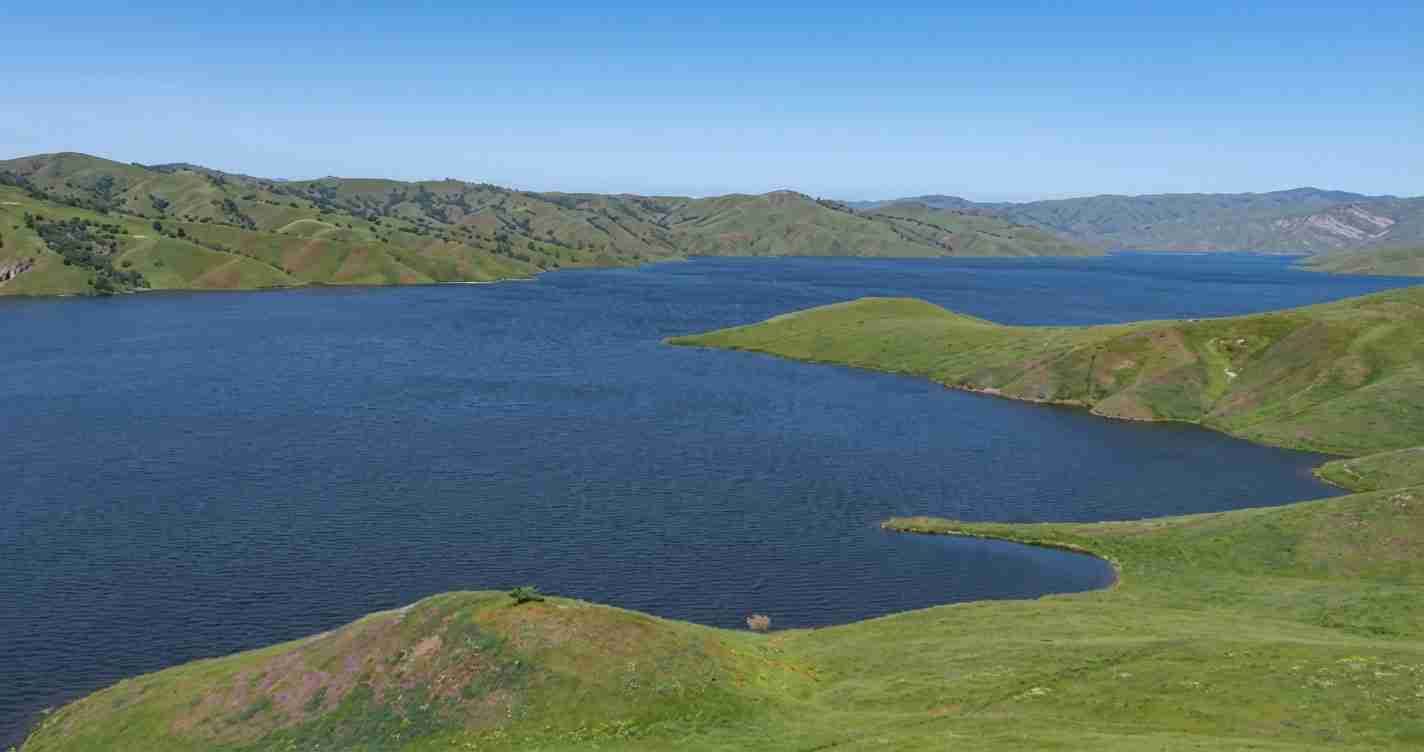
Trump administration signs off on Sites Reservoir federal approval, clearing path for major California water storage project in Colusa County
The Trump administration approved the Sites Reservoir in Colusa County Friday, completing the federal Record of Decision and authorizing federal cost‑sharing for the 1.5 million acre‑foot project intended to boost water reliability for millions statewide.
Key takeaways
- Federal ROD issued: The U.S. Bureau of Reclamation issued a Record of Decision completing the federal environmental review and authorizing federal cost‑sharing.
- Large scale storage: Sites is planned as a 1.5 million acre‑foot off‑stream reservoir to serve ~500,000 acres of farmland and about 24 million people.
- Cost & funding: Total cost is estimated at $6.2–$6.8 billion; state MCED is $1.094 billion with early state funding, and federal cost share could be up to 25%.
- Next steps: Permits, historic clearances and funding agreements remain; many contracts and permits are expected to progress through 2026.
Project details and funding
The Sites Reservoir proposal calls for an off‑stream lake roughly 13 miles long in the rolling pasturelands near Maxwell in Colusa County. Planners say the reservoir would hold about 1.5 million acre‑feet — making it the largest new reservoir in California since New Melones Lake (1979).
Project planners and reporting provide context: see the E&E News project overview and the California Water Commission project page.
Federal approval includes a financial framework: the Bureau of Reclamation’s Record of Decision authorizes up to 25% federal cost‑sharing for eligible public benefits. California’s Water Storage Investment Program issued a Maximum Conditional Eligibility Determination (MCED) for $1.094 billion and provided about $54.7 million in early funding. Total project estimates range from $6.2 billion to $6.8 billion.
Federal and state statements
Officials cast the decision as a milestone of analysis and coordination. Andrea Travnicek, assistant secretary of the Interior, said the decision “establishes the foundation for construction through sound partnerships that will ultimately result in additional water supplies for California.” Interior Secretary Doug Burgum described the move as a disciplined approach to bolster water reliability for communities, agriculture and the economy. Read the Interior Department release for the administration’s statement.
“…establishes the foundation for construction through sound partnerships that will ultimately result in additional water supplies for California.”
Environmental review and approvals
The Record of Decision follows comprehensive state and federal environmental review. The California Department of Water Resources and partners produced a Revised Draft Environmental Impact Report and a Supplemental Environmental Impact Statement examining impacts to wildlife, water quality, cultural resources and recreation. The federal ROD formally signs off on that process. See the Project EIR/EIS and documents.
Project proponents claim public benefits — including ecosystem improvements, flood control, recreation and increased water reliability — and commit to mitigation measures described in the environmental documents. Critics have flagged potential harms to wildlife, cultural sites and the long‑term viability of large surface reservoirs under climate change.
Timeline and next steps
The ROD clears a key regulatory hurdle but is not the final step. Outstanding permits and approvals include:
- Historic preservation clearances (Section 106)
- Clean Water Act permits (Sections 401/404)
- Water rights approvals and operational agreements
Project planners expect many permits, contracts and public benefit agreements to move through 2026. A project calendar shows public benefit contract drafts due in April 2026 and non‑program funding agreements expected by September 2026.
Money, risks and questions
Federal cost‑sharing up to 25% is authorized but not guaranteed — future congressional appropriations and budget priorities will determine actual federal funding. The project’s price tag ($6.2–$6.8 billion) has prompted scrutiny from fiscal watchdogs and water policy analysts.
Technical and environmental risks remain: large earthworks, conveyance infrastructure and new operations must be integrated with existing river systems. Climate change adds uncertainty to future runoff assumptions. Officials point to flexible operations and ecosystem measures to address risks, while independent reviewers will monitor permitting and modeling closely.
Political context
The approval represents a rare alignment between federal and state priorities: it has backing from Governor Gavin Newsom and formal support from the Trump administration under Executive Order 14181, which prioritizes water supply projects. Observers note the cross‑party cooperation is notable in California’s often divided water politics. See coverage in E&E News and the Interior press release.
Implications for The Imperial Valley, California
Local readers in the Imperial Valley should monitor Sites even though the project sits hundreds of miles north. Potential effects include:
- Water markets and transfers: Sites could change statewide stored water supplies and influence the economics of transfers, affecting buyers and sellers in the Imperial Valley.
- Supply reliability & drought response: A northern storage pool can provide an additional tool for statewide drought management but does not replace Colorado River allocations that underpin Imperial Valley agriculture.
- Infrastructure & costs: Broader policy shifts might prompt new conveyance investments or funding mechanisms that affect local agricultural costs.
- Jobs & economy: Construction demand could benefit regional contractors and suppliers, though most spending will likely concentrate near Colusa and Sacramento unless regional contracting is prioritized.
- Environmental & policy signals: Federal approval signals momentum for surface storage projects; stakeholders should watch how funding and regulatory attention evolve for related priorities such as Salton Sea restoration and groundwater resilience.
Stakeholders — water districts, growers, elected officials and environmental groups — should track contract negotiations, permitting, and state allocation changes to understand how Sites might affect the Imperial Valley.
Sources and further reading
- Interior Department release
- E&E News: Trump admin signs off on Newsom‑backed Sites Reservoir
- California Water Commission: Sites Project documents and review portal
Preserved URLs and references: For complete project documents, environmental reports and the Record of Decision, consult the links above.