Swalwell says military could act as a constitutional check on Trump after lawmakers urge troops to refuse unlawful orders
Rep. Eric Swalwell said military members told him they could serve as a constitutional safeguard against President Trump if Congress and DOJ fail — remarks that followed a video of lawmakers urging troops to refuse unlawful orders and prompted official reviews.
- Military as a backstop: Rep. Eric Swalwell said service members have told him they could be a “check” on the president if other branches do not act; see the video.
- Controversial lawmakers’ video: A widely circulated clip of six Democrats urging troops to refuse unlawful orders prompted a formal review of participants; read the report.
- Debate remains preemptive: No verified public evidence shows unlawful orders were issued; coverage frames the exchange as cautionary and hypothetical (coverage).
Swalwell’s comments and the video
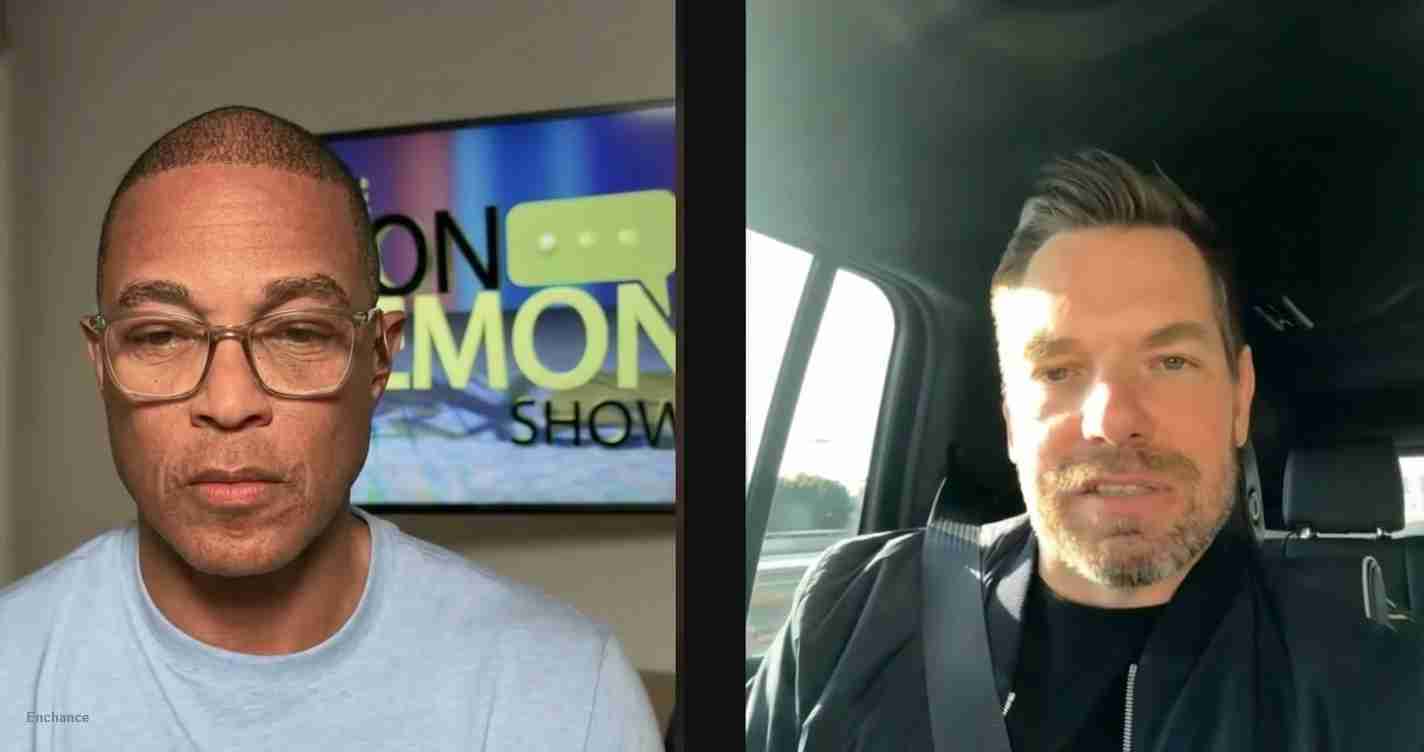
On CNN’s Don Lemon Tonight, Rep. Eric Swalwell said he has heard from service members who told him they could act as a check on the president if necessary. “What gives me hope,” he said, “is military members have told me, ‘We can be a check.’”
Swalwell emphasized the military is not a branch of government, but said the service members’ “honor and integrity might just save us” if faced with unlawful orders. The on-air remarks are archived in the Fox News video of the segment and summarized in a related report.
His remarks followed a circulated video in which six Democrats — including Arizona Sen. Mark Kelly, a retired Navy captain — urged service members to refuse unlawful orders and to remember their oath to the Constitution. The appearance by Sen. Kelly has drawn a formal review by military authorities, according to news accounts.
“The only reason you’d go after Mark Kelly… is if you intend to carry out unlawful orders. If you don’t intend to carry out unlawful orders, why do you care that somebody would say that?” — Rep. Eric Swalwell
Legal, constitutional and military context
U.S. military law and doctrine draw a deliberate distinction: troops must obey lawful orders and refuse unlawful ones. That line aims to prevent criminal actions while preserving civilian control. Determinations about unlawfulness are complex and often resolved through military legal channels or the courts. For congressional and legal background, see the congressional and legal background, and for academic analysis consult the scholarly discussion.
Swalwell and supporters argue reminding troops of their oath is constitutional and protective, while critics warn that public calls treating the military as a political check risk politicizing the armed forces and blurring civilian-military boundaries.
Political reactions and oversight moves
Responses split broadly along partisan lines. Allies describe the message as a constitutional reminder; opponents call it alarmist and potentially dangerous. The video’s airing prompted scrutiny and a review into Sen. Kelly’s participation, a move some Democrats viewed as evidence the administration is sensitive to suggestions that its orders could be unlawful.
Sen. Ruben Gallego also warned service members could face consequences if they targeted sitting members of Congress or became entangled in domestic political disputes, highlighting the tightrope between patriotic duty and political neutrality.
No current evidence of unlawful orders
Important to the public record: there is no public, verifiable evidence that President Trump has issued specific unlawful military orders. Coverage frames the exchange as preemptive — centered on fears of potential unlawful directives and on the legal obligations of service members should such orders arise. See broader reporting for context (coverage).
What critics and supporters say
Supporters
Proponents say reminding troops of their duty to the Constitution is necessary when democratic norms feel threatened. They emphasize the oath binds service members to the Constitution, not to any single leader, and call such reminders preventive rather than political.
Critics
Opponents argue public appeals that frame the military as a potential check risk politicizing the force. They insist oversight should proceed through congressional tools and legal processes, not through public messaging that could influence troops.
Implications for The Imperial Valley, California
The debate has local resonance in Imperial Valley, a region with ties to nearby military installations and many veterans and military families. Below are potential local impacts and practical steps for residents and officials.
Economic impact
Naval Air Facility El Centro and related training activities bring service members, civilian staff and contractors into the region. High-profile friction between lawmakers and the military could affect training schedules, local events, and spending at hotels, restaurants and suppliers.
Local service members and families
Imperial Valley is home to veterans and active-duty families; public debate about following or refusing orders can create stress and uncertainty. National Guard and reserve members may face difficult choices if tensions escalate, making outreach and counseling crucial.
Political and social effects
The community’s civic discussions may sharpen around the oath of service and the proper role of the military in a democracy. These conversations could surface at town halls, school boards and county forums, influencing voter attitudes in a politically engaged region.
Cultural relevance
Respect for military service is widespread locally; reminders of the oath may resonate, but appeals to treat the military as a check could conflict with strong sentiments favoring civilian control and nonpartisanship. Community leaders may need to mediate and refocus debate on legal duties.
Practical applications for residents
- Employers and schools should prepare to support veterans and military families with counseling and events tied to the debate.
- County officials and military family services should clarify who service members can consult if they face legal or moral dilemmas over orders.
- Voters may watch how local and national officials respond, which could influence upcoming elections and civic engagement.
Sources and reporting notes
Reporting for this article included review of the video appearance, public remarks, and legal background. No public, verifiable evidence was found that the president issued specific unlawful orders; the discussion remains focused on hypotheticals and legal duties.
- Video of Rep. Eric Swalwell on Don Lemon’s show
- Report on Swalwell’s remarks and the lawmakers’ video
- Summary reporting on the controversy
- Article noting broader coverage
- Congressional and legal background on military obedience and unlawful orders
- Scholarly discussion of military obedience and constitutional issues