
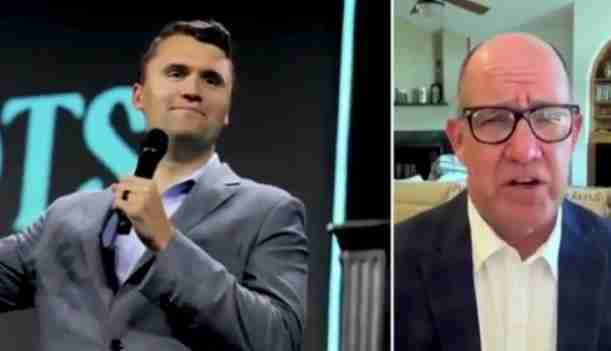
MSNBC drops Matthew Dowd after sparking outrage with comments about Charlie Kirk assassination
MSNBC fired political analyst Matthew Dowd on September 10, 2025, after he made controversial on-air comments suggesting Charlie Kirk’s rhetoric helped create an environment for violence; the remarks prompted an apology and his immediate dismissal.
- Immediate firing: MSNBC conducted a rapid internal review, apologized publicly, and terminated Dowd’s contract within hours.
- Controversial on-air remarks: Dowd suggested Kirk’s “divisive” rhetoric may have contributed to the environment for violence and speculated about a celebratory shooting.
- Bipartisan backlash: Comments drew condemnation across the political spectrum and intense debate on social media.
- Newsroom implications: The episode highlights pressures of live coverage, editorial controls, and the risks of premature speculation.
What happened
Charlie Kirk, co-founder of Turning Point USA, was shot and killed during an event at Utah Valley University in Orem, Utah on September 10, 2025. Initial reporting on the incident was carried by multiple outlets including Fox News and Hindustan Times.
On-air remarks by Matthew Dowd
During MSNBC’s live breaking coverage, Dowd described Kirk as “one of the most divisive, especially divisive younger figures…constantly pushing hate speech aimed at certain groups.” He added:
“Hateful thoughts lead to hateful words, which then lead to hateful actions. And that is the environment we are in.”
Dowd also speculated—before key facts were confirmed—that a supporter might have “shot their gun off in celebration,” comments that many viewers found inappropriate given the developing nature of the story.
MSNBC response and firing
Within hours of the broadcast, the network announced it had ended Dowd’s contract. MSNBC’s president, Rebecca Kutler, said in a statement the remarks were “inappropriate, insensitive and unacceptable.” The network issued a public apology, stating: “There is no place for violence in America, political or otherwise.” MSNBC declined further comment beyond the public statement.
Dowd, who joined MSNBC in 2022 after a long tenure at ABC News, delivered an on-air apology during the segment but has not released an extended public statement since the firing.
Political and public reaction
The comments provoked a fierce reaction across social media and from political leaders. Conservative commentators accused Dowd and the network of blaming the victim and politicizing a tragedy. Some viewers also criticized host Katy Tur and other on-air staff for perceived bias and for stoking division during a sensitive moment.
National political figures weighed in, with reports noting condemnation from members associated with the Trump administration and other conservative leaders. Public figures—including former President Donald Trump—publicly mourned Kirk and criticized media coverage in the killing’s aftermath.
International outlets highlighted how quickly networks must balance live reporting with responsible analysis; coverage noted MSNBC’s swift action and stirred wider debate about media responsibility (see reporting from Economic Times and The Chosun Ilbo).
Timeline of events
- September 10, 2025: Charlie Kirk is shot at an event at Utah Valley University in Orem, Utah.
- Same day: During MSNBC’s live coverage, Dowd links Kirk’s rhetoric to the environment for violence and speculates about a celebratory shot by a supporter.
- Within hours: MSNBC conducts an internal review, apologizes publicly, and fires Dowd.
- Aftermath: Social media and political leaders react, sparking national debate about media coverage and accountability.
Why this matters for newsrooms
The incident underscores the tension between rapid analysis and the obligation to avoid speculation that can inflame emotions or mislead viewers. Dowd’s remarks illustrate how a single on-air comment can have immediate reputational and personnel consequences for a major outlet, raising questions about editorial controls, guest vetting, and live supervision.
Implications for The Imperial Valley, California
Economic and media effects: Local media consumption may spike as Imperial Valley residents follow national political coverage; local outlets could see temporary traffic and ad revenue increases. Advertisers may become more cautious about adjacency to divisive content.
Political consequences: The story may deepen local debates about media bias, free speech, and political violence. Campaigns and elected officials may leverage the episode to discuss media responsibility.
Social and community impact: Coverage of political violence can heighten anxiety. Community leaders and law enforcement in the Imperial Valley should consider outreach to reassure residents and promote nonviolent civic engagement. Campus groups may hold discussions or vigils on speech and safety.
Cultural relevance and practical effects: Reporting that emphasizes verified facts, avoids speculation, and highlights community responses will help preserve civil discourse. Local outlets should provide guidance on safe political participation and mental health resources.
Reporting considerations for local newsrooms
- Fact-check rigor: Avoid repeating unverified speculation; cite primary sources and clearly label what is confirmed and what is not.
- Balanced sourcing: Include perspectives from multiple sides and seek comment from local leaders about national media effects on community trust.
- Audience needs: Provide clear timelines, reliable updates, and resources for readers who may be distressed by national coverage.
Sources
Reporting and details in this article reference the following original sources:


