
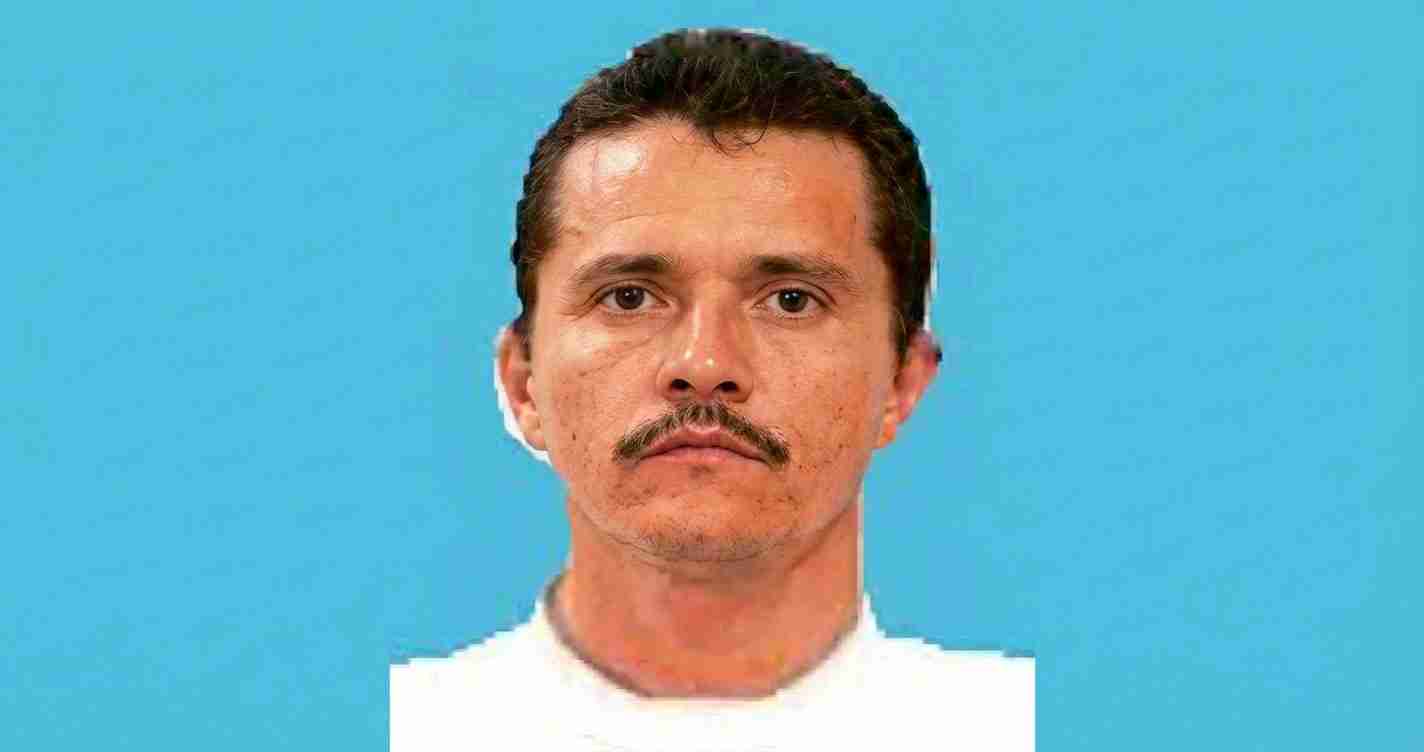
El Mencho killed in Jalisco: Mexican military operation kills CJNG cartel leader in Tapalpa raid
Mexican military forces killed Nemesio Rubén Oseguera Cervantes — “El Mencho,” leader of the CJNG — during a Tapalpa operation Sunday, with U.S. intelligence support; the operation sparked violent reprisals and widespread disruptions across multiple states.
- Operation outcome: Mexican Defense Department forces said the Tapalpa raid killed Oseguera and several others; authorities seized armored vehicles, heavy weapons and rocket launchers. Sources: Los Angeles Times, Fox News.
- U.S. role: Mexican officials said U.S. authorities provided complementary intelligence that helped locate Oseguera during the operation. Source: Fox News.
- Security impact: The raid produced immediate violent reprisals, roadblocks and attacks on infrastructure across Jalisco and other states; the U.S. Embassy issued shelter-in-place advisories. Sources: Los Angeles Times, Fox News.
The operation and how it unfolded
Mexican Defense Department officials said troops moved in early Sunday in the mountain town of Tapalpa, Jalisco, after receiving actionable intelligence. Officials described the mission as conducted with bilateral coordination and complementary U.S. intelligence support that helped locate Nemesio Rubén Oseguera Cervantes. Source: Fox News.
According to government reports, a heavy shootout ensued. Oseguera was wounded during the clash and died while being transported to Mexico City, officials said. The Defense Department reported that four other people were killed at the scene; additional wounded later died. Two suspected cartel members were detained. Authorities seized armored vehicles, weapons and rocket-propelled munitions reportedly capable of downing aircraft. Three members of the Mexican armed forces were injured during the operation. Source: Fox News.
Authorities warned of further clashes in Jalisco and an uptick in criminal activity elsewhere. The Jalisco governor reported roadblocks and disturbances across the state and urged residents to stay home. The U.S. Embassy in Mexico issued shelter-in-place advisories covering parts of Jalisco — including Puerto Vallarta, Chapala and Guadalajara — and other states such as Tamaulipas, Michoacán, Guerrero and Nuevo León. Reports described attacks on infrastructure and banks; roughly 20 branches of Banco del Bienestar were reportedly damaged and at least 21 highways were blocked. Sources: Los Angeles Times, Fox News.
Who was El Mencho and what the CJNG became
Nemesio Rubén Oseguera Cervantes rose from modest origins to lead the Cartel de Jalisco Nueva Generación (CJNG). He is believed to be about 67 years old. Early reporting traces his rise from small-time heroin sales in California to becoming the head of a cartel that emerged in Jalisco roughly 15 years ago. Source: Los Angeles Times.
Under his leadership the CJNG expanded into a global trafficking network tied to large-scale fentanyl production and trafficking to the United States. The group adopted military-style tactics and hardware — including armored vehicles, land mines, drones and heavy weapons — and has been blamed for high-profile attacks such as the 2015 downing of a Mexican military helicopter that killed nine service members. Sources: Los Angeles Times, Fox News.
International stakes and U.S. reaction
U.S. authorities had placed a $15 million reward for information leading to Oseguera’s arrest or conviction. His death is widely considered the most significant blow to a Mexican drug kingpin since Joaquín “El Chapo” Guzmán’s 2016 capture and extradition. Source: Los Angeles Times.
“I was informed of Oseguera’s death — a great development for Mexico, the US, Latin America, and the world,” U.S. Deputy Secretary of State Christopher Landau posted on X, adding that “the good guys are stronger than the bad guys.” Source: Fox News.
The operation comes amid calls from U.S. leaders for tougher action against cartels that traffic fentanyl and other illicit drugs. It underscores deep U.S.-Mexico security cooperation but also raises questions about potential short-term spikes in violence as cartels react.
Aftermath, arrests and family ties
Authorities said two other suspected cartel members were detained during the Tapalpa operation. Officials reported seizures of weapons and tactical equipment, including armored vehicles and rocket-propelled munitions. Multiple suspects were reported killed and some wounded later died, according to official statements. Source: Fox News.
Oseguera’s family has been the subject of prior prosecutions: his son Rubén Oseguera González (“El Menchito”) was captured, extradited to the U.S. in 2020, convicted on drug and weapons charges in 2024 and sentenced to life in a Colorado federal prison. His daughter Jessica Johanna Oseguera González pleaded guilty to money-laundering violations under the Kingpin Act, served about two years and was released in 2022. Source: Los Angeles Times.
Security ripple effects across Mexico
Officials warned the killing could trigger heightened violence as rival groups and local cells vie for control. In Jalisco, authorities reported roadblocks and attacks on infrastructure; the U.S. Embassy’s shelter-in-place advisories covered multiple states where authorities expected disruptions. Reports said at least 21 highways were blocked and many bank branches were damaged in coordinated unrest following the operation. Sources: Los Angeles Times, Fox News.
Implications for The Imperial Valley, California
Economic impact: The Imperial Valley sits near key cross-border routes. A major blow to the CJNG could disrupt drug supply chains temporarily but may also produce short-term violence and disorganization affecting cross-border commerce. Businesses should prepare for potential increases in inspections or delays.
Public safety and law enforcement: Local and federal partners in Southern California may see shifts in enforcement priorities or greater intelligence sharing with Mexican authorities. Border and customs agencies could increase patrols and interdiction efforts for fentanyl and other illicit shipments.
Social effects: Families and communities with ties to Jalisco may follow developments closely; violent reprisals or disruptions often cause concern among binational families. Community leaders and consular services may need to provide updated safety guidance.
Healthcare and overdose risk: While the death of a cartel leader does not end fentanyl trafficking, short-term shifts in production or distribution could change the potency or types of drugs reaching U.S. communities. Public health officials should remain vigilant and ensure access to naloxone and treatment services.
Political and diplomatic consequences: The operation underscores U.S.-Mexico security cooperation and may renew local discussions about border policy, funding, and cross-border policing strategies. Sustained cooperation will be emphasized alongside civilian safety concerns.
Community guidance: Residents with family in affected Mexican states should monitor official advisories from the U.S. Embassy and Mexican state governments. The U.S. Embassy’s shelter-in-place notices and local advisories are primary sources for safety guidance.
Reporting notes and sources
This report is based on official statements from the Mexican Defense Department and published reporting from the Los Angeles Times and Fox News, which detailed the operation, its aftermath and background on Oseguera and the CJNG.


