Xavier Becerra surges to front of California 2026 governor’s race, drawing fierce progressive backlash
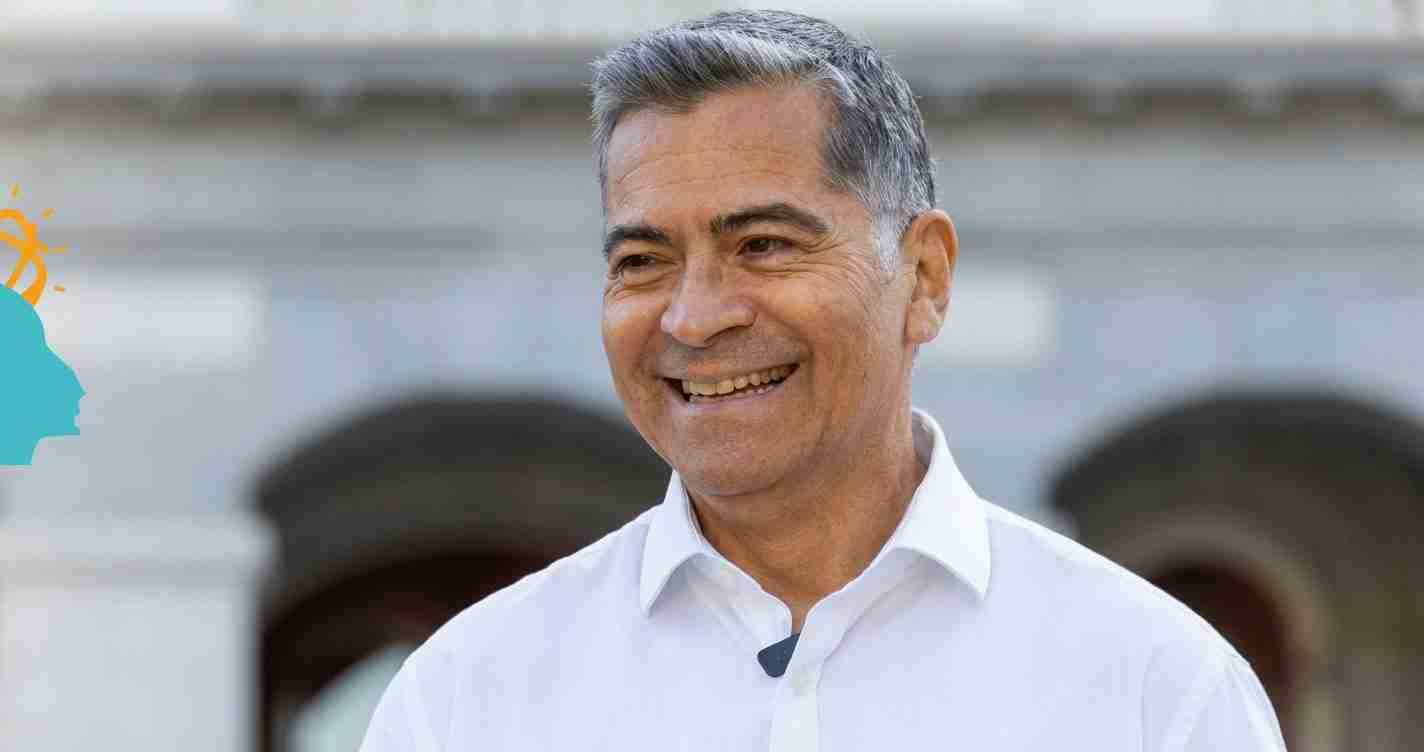
Xavier Becerra has surged to the front of California’s 2026 gubernatorial race after Eric Swalwell’s withdrawal, topping recent polls and triggering intense attacks from progressive Democrats and rivals as the June 2 top-two primary approaches.
- Rapid rise: Xavier Becerra climbed from single-digit support to lead several polls in the California 2026 governor race.
- Progressive backlash: Activists and rivals accuse Becerra of ties to corporate interests and question his HHS record on unaccompanied migrant children (Politico coverage).
- Debate and ads: A heated debate at Pomona sharpened attacks, and Tom Steyer has invested in ads targeting Becerra’s HHS record (IBTimes debate report).
Background: Becerra’s rise and campaign pitch
Xavier Becerra launched his campaign more than a year ago, emphasizing three decades in public service — two dozen years in Congress, time as California attorney general and service as President Biden’s health secretary. His campaign site outlines priorities such as defending California from federal attacks, expanding health coverage, lowering drug prices and protecting Democratic policies (Becerra campaign website).
Polling shifts were swift after Rep. Eric Swalwell’s exit. A Democratic Party poll showed Becerra around 13%, while an Independent Voter Project survey of 3,400 voters placed him near 23%, moving him ahead of some Republican contenders and level with or slightly ahead of Tom Steyer and Katie Porter in certain surveys (CalMatters profile, debate clip).
How the debate sharpened attacks
The first full-field debate at Pomona College became a focal point for opponents trying to halt Becerra’s momentum. Exchanges were heated — interruptions and pointed barbs touched on homelessness, housing affordability, immigration and business ties. Becerra positioned himself as prepared to resist former President Trump and sparred with both Democratic and Republican rivals on stage (IBTimes debate coverage, ABC30 local report).
Campaign ads: Tom Steyer has already funded ads criticizing Becerra’s HHS record, while progressive activists have begun resurfacing material from his long career to question his progressive credentials.
Progressive backlash: key arguments and actors
Progressive leaders argue Becerra is too pragmatic and too close to corporate interests for activists seeking bold reforms. Amar Shergill, a former chair of the California Democratic Party’s progressive caucus, called Becerra a “go-along Democrat” and is working to undercut his appeal on the left (Politico).
Key lines of attack include:
- HHS record on unaccompanied migrant children — critics point to past handling and media clips raising concerns (video, report).
- Campaign contributions — donations from energy companies such as Chevron are cited as evidence of ties to big business (Politico analysis).
- Opposition to a union-backed billionaire tax — progressives argue that stance undermines revenue for schools and services (detailed coverage).
- Ambiguity on single-payer — activists treat clarity on universal coverage as a litmus test for progressive credibility (analysis).
Campaign dynamics and money
Becerra brings credibility from high-profile legal fights and health policy work but faces a fundraising shortfall. He reported about $1.4 million left from his attorney general account — helpful, but less than what wealthier rivals can deploy on ads and ground operations (CalMatters).
Top-two primary math: With dozens of candidates and sizeable undecided cohorts, every vote matters. The top-two system can produce unexpected runoffs and cross-party dynamics leading into November.
Implications for The Imperial Valley, California
The Imperial Valley — an agricultural region dependent on water policy, labor stability and cross-border trade — will evaluate candidates on practical impacts. A business-friendly governor could promise regulatory predictability and infrastructure investment that appeal to growers, while progressive tax proposals could fund climate projects, water conservation and rural infrastructure that benefit the county (campaign platform, CalMatters commentary).
Political consequences include potential shifts in turnout among working-class, Latino and farmworker communities. Socially, debates over immigration and services for migrants resonate in this border-adjacent region, where Becerra’s HHS record has particular salience.
Practical applications for voters
Ballots will arrive before the June 2 primary. Imperial Valley voters should:
- Watch candidate forums and debate clips for specifics on water, farmworker protections and immigration (video of candidates).
- Check local party and union guidance, but compare records on water projects and farmworker wages (policy coverage).
- Remember the crowded field and high undecided rate mean local turnout can determine which two advance to November (IBTimes).
Source notes and reporting
Reporting and commentary informing this article include:
- Politico: Xavier Becerra progressive backlash
- CalMatters: Televised debate commentary
- CalMatters: Becerra profile and policy background
- International Business Times: debate coverage
- YouTube: debate clip and candidate appearances (clip 1)
- YouTube: campaign messaging video
- YouTube: candidate forum recording
- ABC30: local debate coverage
- Los Angeles Times: debate analysis
- Xavier Becerra campaign website
For local voters in the Imperial Valley, the contest is both a statewide policy fight and a referendum on which approach — steady governance or bold progressive change — best addresses water, labor and border-related challenges.