CES 2026 showstopper gadgets: 10 must‑see devices from LG’s Wallpaper TV to a stair‑climbing robot vacuum
At CES 2026 in Las Vegas, a wave of showstoppers — from LG’s ultra‑thin Wallpaper TV to a stair‑climbing robot vacuum — captivated attendees, showcasing robotics, AI wearables and practical gadgets poised to reshape consumer electronics.
- Range of innovations: Ten showstoppers span TVs, household robots, wearables, personal care, toys, automotive concepts and outdoor power.
- Headliners: Highlights include LG’s Wallpaper TV (OLED evo W6), Dreame’s Cyber X stair‑climbing robot vacuum, SwitchBot’s AI MindClip, LG’s CLOiD home robot and Jackery’s Solar Mars Bot.
- Practical vs. prototype: Several items were demos or concepts; shipping dates and prices remain unconfirmed.
- Local relevance: Many devices could affect Imperial Valley buyers, from portable solar power to stair‑climbing vacuums and safety wearables.
The showstoppers, one by one
1) LG Wallpaper TV (OLED evo W6)
LG returned to the ultra‑thin “wallpaper” format with a 9 mm panel that hugs the wall and relies on a wireless box for inputs and processing. The set uses LG’s Primary RGB Tandem OLED panel and Hyper Radiant Color Technology, promising much higher brightness with deep blacks. It packs the Alpha 9/Alpha 11 Gen 3 AI processor and modern gaming features like 4K 165 Hz and VRR. Reviewers called it one of the most striking TVs of CES 2026.
“One of the most striking TVs of CES 2026,” attendees and hands‑on reporters noted.
Sources: LG newsroom, CES pages, Engadget, What Hi‑Fi and a YouTube hands‑on video.
2) Dreame Cyber X stair‑climbing robot vacuum
Dreame’s Cyber X attempts to solve a long‑time robot problem: mobility across floors. The unit is designed to climb and descend stairs using a transformable chassis or climbing module plus advanced navigation (LiDAR and depth sensing in demos). Early show floor runs emphasized the wow factor but left questions about speed, noise and price. If practical at home, it could change the category.
Source: CES exhibitor demos and floor reporting.
3) SwitchBot AI MindClip
SwitchBot showed a small clip‑style AI companion that attaches to clothing or bags. The AI MindClip acts as a roaming controller and context‑aware assistant for SwitchBot devices and smart‑home platforms. It includes a mic, speaker and sensors to trigger routines based on your location or activity — part of the tiny AI wearables trend complementing phones.
Source: Manufacturer briefings and CES booth notes.
4) LG CLOiD Home Robot
LG’s CLOiD walked the floor as a mobile smart‑home hub: part assistant, part companion. The robot moves through rooms, interacts by voice, and connects to LG ThinQ appliances. It carries cameras and sensors for navigation and simple security checks, aiming more at reminders and presence awareness than heavy household chores — showcasing LG’s robotics integration with everyday appliances.
See LG materials: LG CES pages.
5) Glyde Smart Hair Clippers
Glyde’s smart clippers transform grooming with app‑linked presets, fade templates and user profiles. Demos emphasized tutorials, cut‑length tracking and maintenance reminders — an example of how everyday tools gain smart features that deliver real value for beginners and professionals.
Source: Startup pavilion and grooming tech coverage.
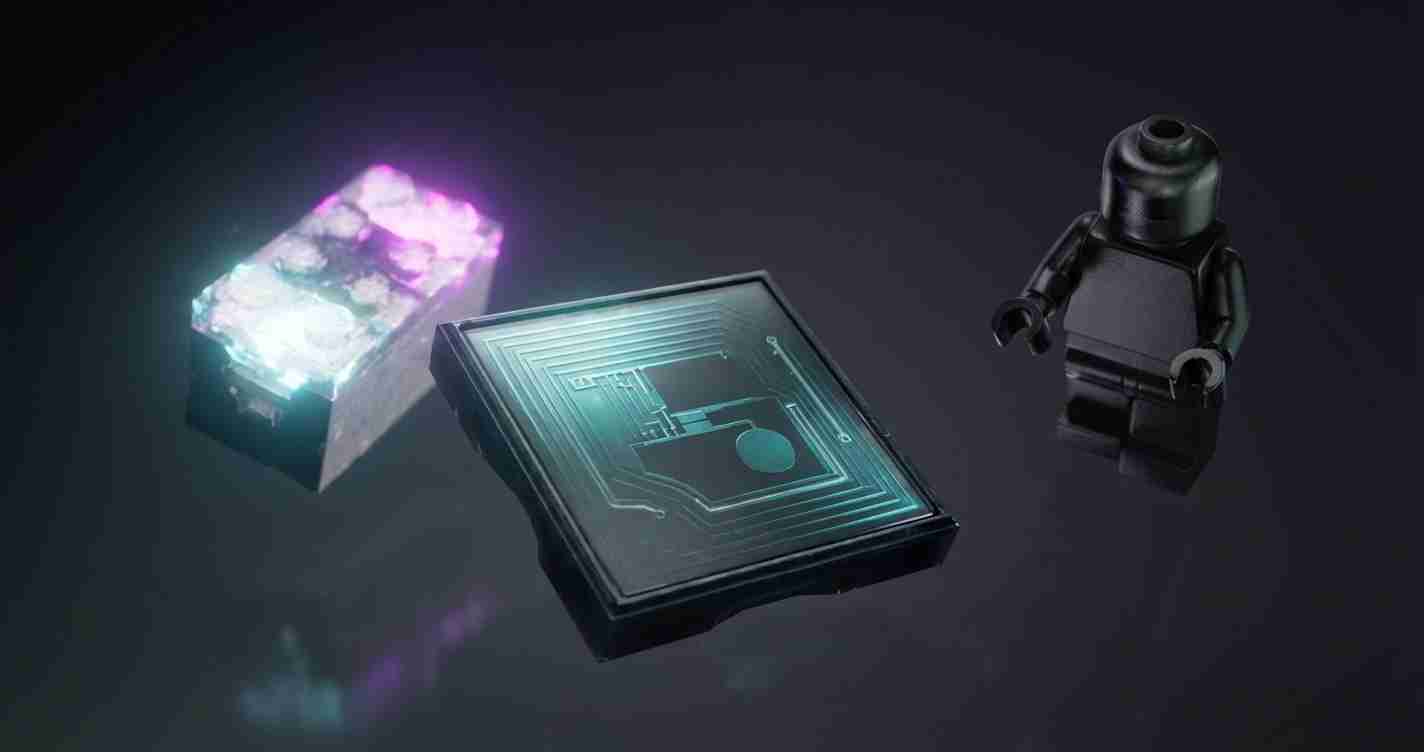
6) LEGO Smart Bricks
LEGO introduced electronic bricks that light up, sense motion or touch, and connect to an app. The smart bricks aim to teach STEM concepts while preserving classic building play. On the show floor, interactive buildings and reactive robots demonstrated sound‑ and motion‑triggered behaviors, targeting education and family play.
Source: Toy and edtech reports.
7) Autoliv Foldable Steering Wheel
Autoliv displayed a foldable steering wheel concept built for future autonomous cabins. The wheel folds into the dash when vehicles enter self‑driving mode, freeing space and enabling new interior layouts. The concept tackles safety and airbag challenges and reflects rethinking of controls for mixed‑mode driving.
Source: Automotive tech coverage at CES.
8) TDM Neo Hybrid Headphones
TDM’s Neo Hybrid headphones combine multiple driver types for improved clarity and bass control, supporting hi‑res codecs and modern wireless standards. Booth impressions praised their refined sound despite the noisy show floor — a reminder that audio engineering still offers innovation.
Source: Audio zone reporting.
9) Jackery Solar Mars Bot
Jackery showed a mobile power platform with built‑in solar panels that can roll to sunlight and charge its battery. The Solar Mars Bot targets campers, off‑grid users, and responders who need mobile energy. Its mobility plus renewable charging made it an eye‑catching sustainability demo.
Source: Green‑tech and outdoor gear coverage.
10) Timeli personal safety device
Timeli demonstrated a compact personal safety gadget that sends location alerts, supports timed check‑ins and stores incident data for trusted contacts. Shown as a keychain or wearable, it responds to demand for discreet, dedicated safety tools beyond smartphone apps.
Source: Wearables and safety tech coverage.
Other notable mentions
CES also featured LG’s Micro RGB 100‑inch Mini‑LED TV and a refined Gallery TV aimed at gallery‑style presentation and anti‑reflective display experiences. Multiple firms showed AI pins and clip wearables, while companion/service robots from several vendors rounded out robotics coverage.
Coverage example: Engadget report on LG TVs.
Sources and reporting notes
Primary manufacturer releases and hands‑on reporting informed this round‑up. LG’s official releases and CES pages detail the Wallpaper TV and other LG displays (LG newsroom; LG CES pages). Engadget and What Hi‑Fi provided hands‑on and review context for LG’s TV lineup (Engadget; What Hi‑Fi).
Video demonstrations and showroom walk‑throughs are available from CES floor coverage and select YouTube hands‑ons (example: YouTube hands‑on; YouTube walk‑through). Many other gadgets described here came from exhibitor demos and CES reporting.
Implications for The Imperial Valley, California
Economic impact
- Retail and local small businesses: High‑end items like the LG Wallpaper TV are unlikely to be mass purchases locally, but practical devices — stair‑climbing robot vacuums, smart clippers and portable power robots — could drive sales at home‑goods stores, hardware outlets and online orders used by valley residents.
- Agriculture and energy: The Jackery Solar Mars Bot points to mobile, off‑grid power solutions useful for remote farms, fieldwork or irrigation sites. Solar‑friendly gadgets that reduce reliance on grid power may appeal to growers and ranchers facing heat, water and electrical challenges.
- Job pipeline and local vendors: CES nudges manufacturers, integrators and resellers. Local electronics retailers, solar installers and home‑service businesses could see increased demand for installation, service and integration of smart‑home devices or mobile power platforms.
Political and policy effects
- Emergency preparedness: Devices like Timeli and mobile solar tech underscore the importance of personal safety tools and resilient power after storms or blackouts. County and city officials may consider outreach or partnerships to incorporate such tools into preparedness programs.
- Regulation and safety: Concepts such as the foldable steering wheel highlight future regulatory needs for autonomous vehicle interiors. Local transportation planners and law enforcement should monitor safety developments as AV concepts evolve.
Social effects
- Accessibility and aging population: Devices such as CLOiD robots and stair‑climbing vacuums could help older residents who live in multi‑level homes or need reminders and monitoring, supporting independent living.
- Digital divide concerns: Some innovations require reliable broadband and device integration. Parts of the Imperial Valley face connectivity gaps; leaders may need to weigh investments in broadband so residents can fully use smart‑home and AI wearables.
Cultural relevance
- DIY and home care: Products like Glyde Smart Hair Clippers and LEGO Smart Bricks align with a strong DIY culture — affordable smart tools that reduce costs or teach skills will likely resonate.
- Outdoor lifestyle: The Solar Mars Bot and portable power solutions match local outdoor and agricultural activities, from camping in Anza‑Borrego State Park to extended fieldwork on farms.
Practical applications for residents
- Home convenience: A stair‑climbing robot vacuum could help homeowners with multi‑level houses or rental properties, reducing manual vacuuming between floors.
- Power resilience: Solar mobile generators offer practical backup for small businesses, farms and homes during heat waves or grid stress — compare capacity and portability before purchase.
- Personal safety: Students and commuters can use devices like Timeli for discreet emergency alerts; campus safety programs might consider partnerships or subsidies.
Bottom line: For Imperial Valley buyers and community leaders, CES 2026 mixed high‑end aspirational tech with sensible, deployable gadgets. Watch for shipping announcements and local availability, and consider testing or piloting promising devices in community programs and small businesses.